

![Revered Roots: The Sacred Fig Tree (Ficus religiosa) [RARE] clone off mature tree - Image 1](https://www.troppo.nz/wp-content/uploads/2024/07/20250106_170256-rotated.jpg "20250106_170256")
Revered Roots: The Sacred Fig Tree (Ficus religiosa) [RARE] clone off mature tree
$65.00
The Sacred Fig Tree, also known by many names including the Bodhi Tree, Peepul Tree, Peepal Tree, Pipala Tree, or Ashvattha Tree, is a species of fig native to the Indian subcontinent. Its scientific name is Ficus religiosa. This tree holds immense religious significance in four major religions that originated in this region: Hinduism, Buddhism, Sikhism, and Jainism.
Out of stock
Names and Cultural Significance 🌳✨
- Bodhi Tree: In Buddhism, it is believed that Siddhartha Gautama, the Buddha, attained enlightenment under this tree, hence the name “Bodhi” which means “enlightenment” or “awakening”.
- Peepul Tree: In Hinduism, the tree is considered sacred and is often associated with various deities. It is believed to be the abode of gods and is worshipped during various rituals.
- Pipala Tree: In Jainism, the tree is associated with the 24th Tirthankara, Lord Mahavira, who is said to have attained Kevala Jnana (omniscience) under it.
- Ashvattha Tree: In ancient Indian scriptures, the tree is mentioned in several hymns and is often associated with immortality and the cycles of life and death.
Religious Significance 🌿🙏
The Sacred Fig Tree plays a pivotal role in the religious practices and beliefs of Hinduism, Buddhism, Sikhism, and Jainism. Here’s a brief overview of its significance in each religion:
- Hinduism: The Peepul Tree is often worshipped by Hindus during religious ceremonies and festivals. It is believed to be the tree of life and is associated with Lord Vishnu. Devotees circumambulate the tree and offer water, flowers, and other offerings to seek blessings and prosperity.
- Buddhism: The Bodhi Tree is revered as the site where Prince Siddhartha attained enlightenment and became the Buddha. It is a symbol of enlightenment, wisdom, and compassion. The Mahabodhi Temple in Bodh Gaya, India, houses a descendant of the original Bodhi Tree and is a major pilgrimage site for Buddhists worldwide.
- Sikhism: Although not central to Sikh religious practices, the Peepal Tree is respected for its medicinal and ecological importance. It is sometimes mentioned in Sikh scriptures in the context of its longevity and resilience.
- Jainism: The Pipala Tree is significant as Lord Mahavira attained Kevala Jnana under it. It symbolizes knowledge, meditation, and spiritual awakening. Jains often meditate under the tree and use its leaves in rituals.
Ecological and Medicinal Benefits 🌳🌿
Beyond its religious significance, the Sacred Fig Tree offers numerous ecological and medicinal benefits:
- Ecological Benefits: The tree provides habitat and food for various species of birds, insects, and other wildlife. Its dense foliage helps in reducing air pollution and providing shade in hot climates.
- Medicinal Uses: In traditional medicine, different parts of the tree (leaves, bark, fruits, and roots) are used to treat various ailments such as asthma, diabetes, diarrhea, and skin disorders. The leaves are known for their antiseptic properties and are often used in healing wounds and infections.
Summary 🌟
The Sacred Fig Tree, with its rich cultural, religious, and ecological significance, stands as a symbol of life, wisdom, and spiritual awakening. Whether known as the Bodhi Tree, Peepul Tree, Pipala Tree, or Ashvattha Tree, its legacy continues to inspire and bless people across different faiths and regions. Embracing its teachings and benefits, we can cultivate a deeper connection with nature and spirituality. 🌳🌿🙏
Only logged in customers who have purchased this product may leave a review.
Related products

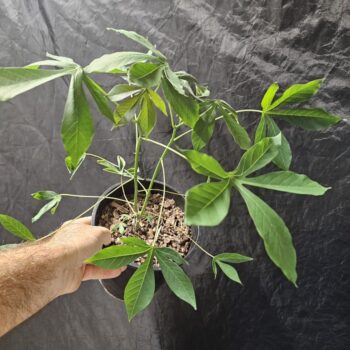
Manihot esculenta – Cassava / Manioc / Yuca
Cassava (Manihot esculenta) is a hardy, fast-growing perennial shrub cultivated for its starchy tuberous roots, which serve as a staple food for millions worldwide. It thrives in warm climates and is known for its high resilience to drought and poor soils. The plant features deeply lobed green leaves and grows up to 3 meters tall, making it an excellent addition to food forests and permaculture systems.

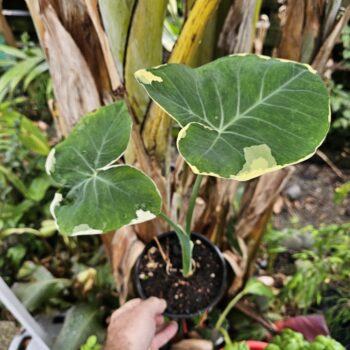
Mickey Mouse Plant – Xanthosoma atrovirens ‘Albomarginata’ 2L pot

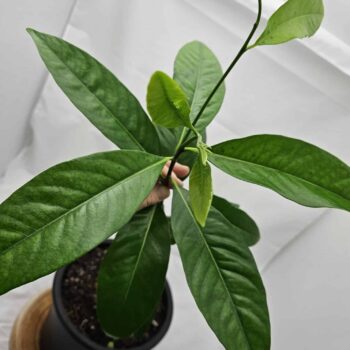

Black Sapote 7.5L – The Chocolate Pudding Fruit, Black Persimmon, Diospyros digyna
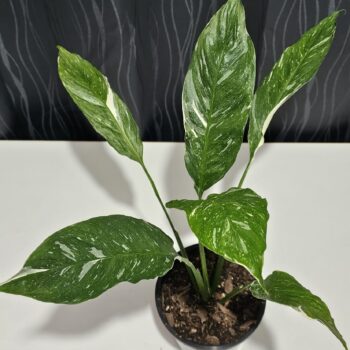
Spathiphyllum ‘Domino’ Variegated Peace Lilly
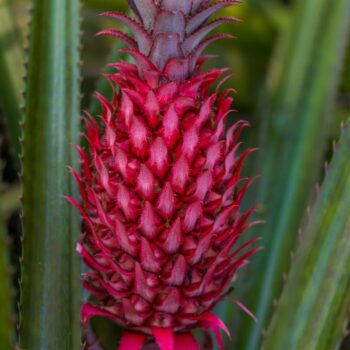

The Red Pineapple (Ananas bracteatus)
Key Features
- Striking Appearance: The Red Pineapple is renowned for its eye-catching red fruit, which is smaller but more colorful than the common pineapple. Its bright, reddish-pink bracts and green foliage make it a standout in any setting.
- Versatile Use: This plant can be grown both outdoors in tropical and subtropical climates and indoors as a potted plant in cooler regions.
- Easy to Grow: The Red Pineapple is a low-maintenance plant that thrives in well-drained soil and requires minimal watering once established. It's also resistant to many common pests and diseases.
- Edible and Ornamental: While primarily grown for its ornamental value, the fruit of the Red Pineapple is edible and can be enjoyed fresh, though it is often more tart than commercial pineapples.
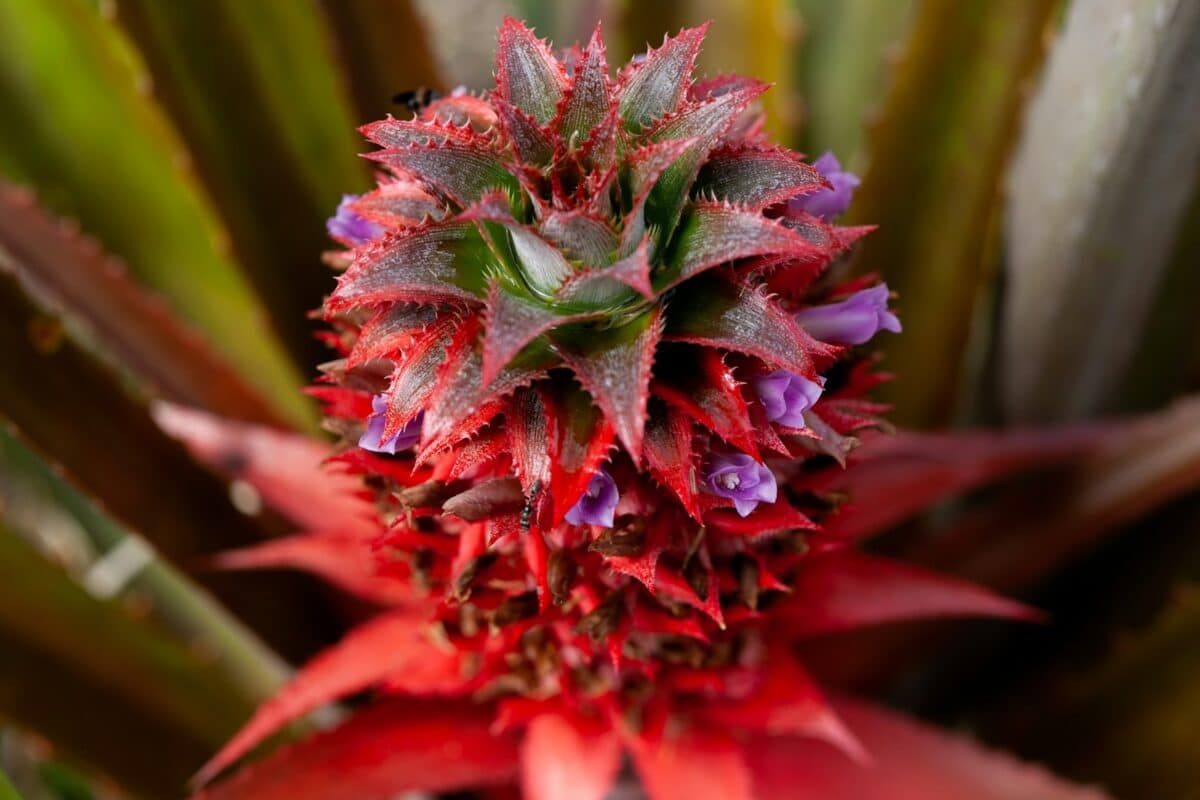
Photo by PROJETO CAFÉ GATO-MOURISCO on Unsplash
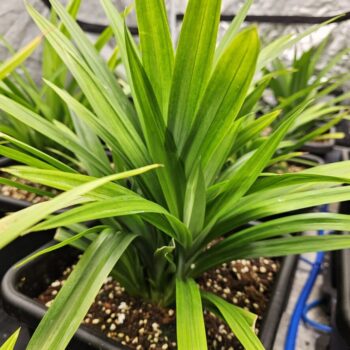

Pandan aka Pandanus amaryllifolius – large 15l autopot (freight included)
You get one of these pandan plants in a 15l Autopot in cococoir and perlite with minimum 5 pandan growth points. That is a potential of 5(+) plants
Uses of Pandan
Pandan is prized not only for its fragrance but also for its versatility. Here are some popular uses:
- Culinary Uses:
- Flavoring: Pandan leaves are often used to flavor rice (like in Nasi Lemak), desserts (such as Pandan cake and jelly), and beverages. They impart a unique, subtle flavor that’s hard to replicate.
- Natural Coloring: The bright green pigment of Pandan can be extracted and used as a natural food coloring for cakes, pastries, and other desserts.
- Wrapping Food: Similar to banana leaves, Pandan leaves can be used to wrap food before steaming or grilling, infusing a mild, aromatic flavor into the dish.
- Medicinal Uses:
- Traditionally, Pandan has been used in folk medicine for its potential health benefits, such as reducing fever, easing arthritis pain, and relieving headaches.
- Craft and Household Uses:
- In some cultures, Pandan leaves are woven into mats, baskets, and even used as natural air fresheners due to their pleasant scent.



![Revered Roots: The Sacred Fig Tree (Ficus religiosa) [RARE] clone off mature tree](https://www.troppo.nz/wp-content/uploads/2024/07/20250106_170256-rotated-350x350.jpg)
Reviews
Clear filtersThere are no reviews yet.