
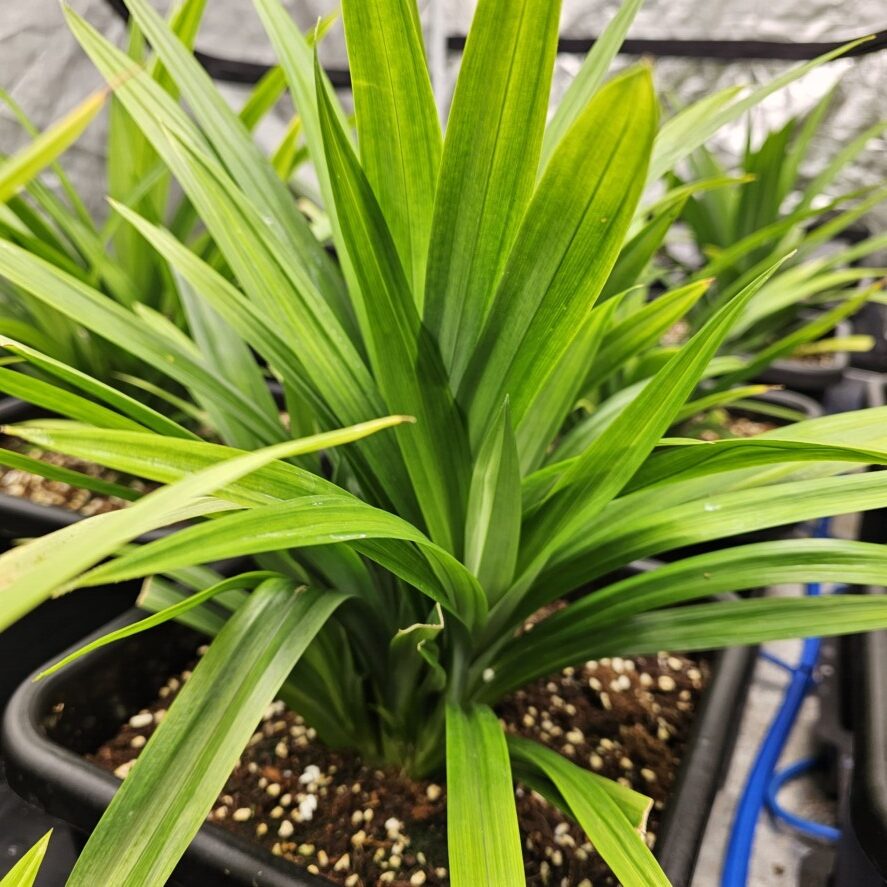
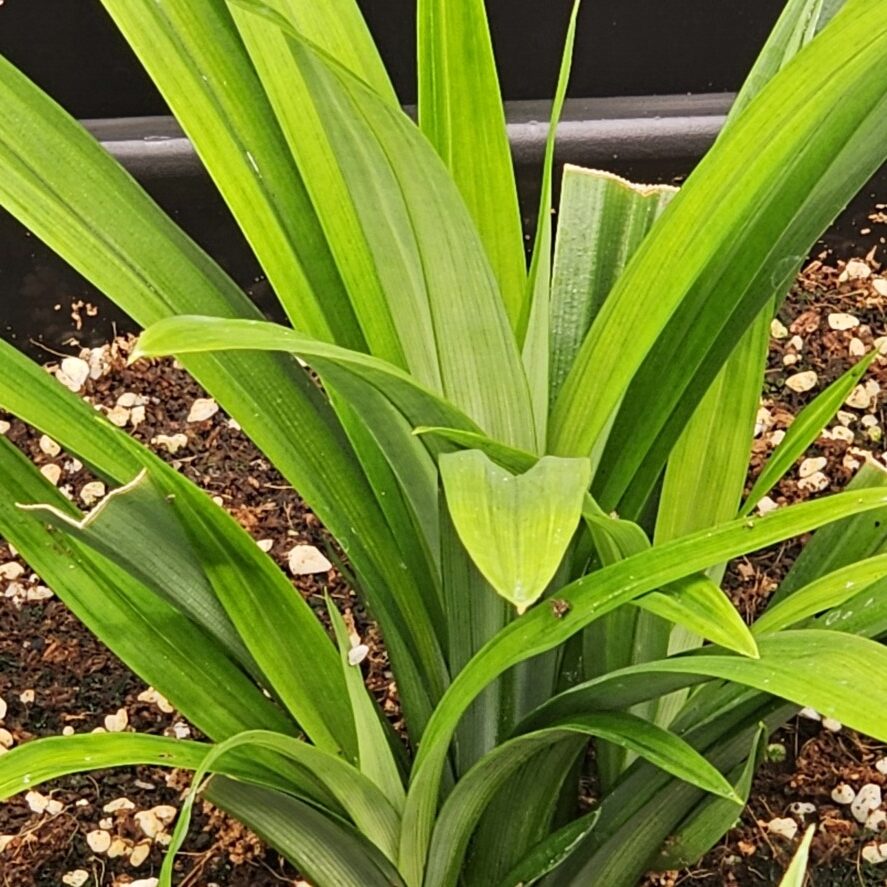
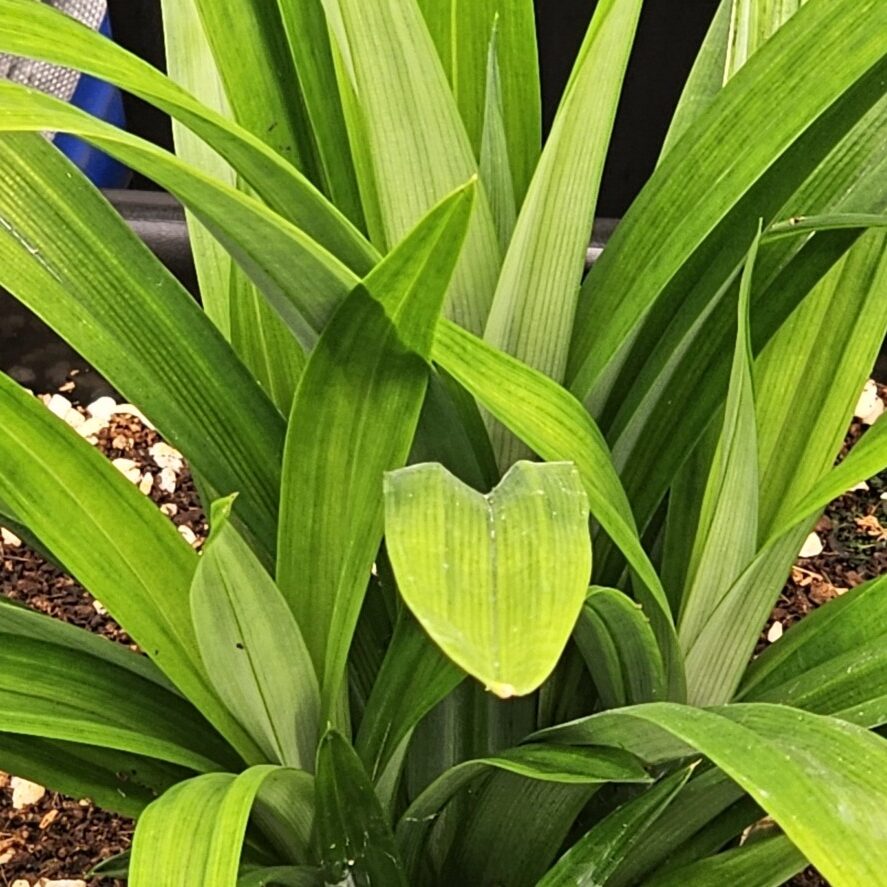
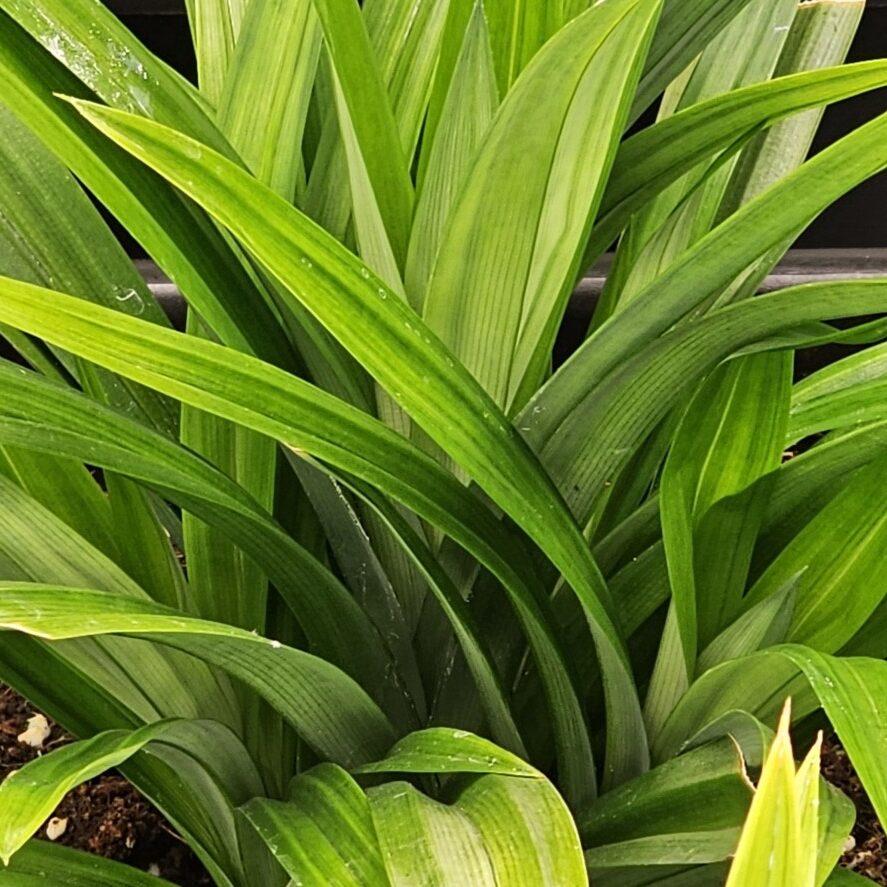
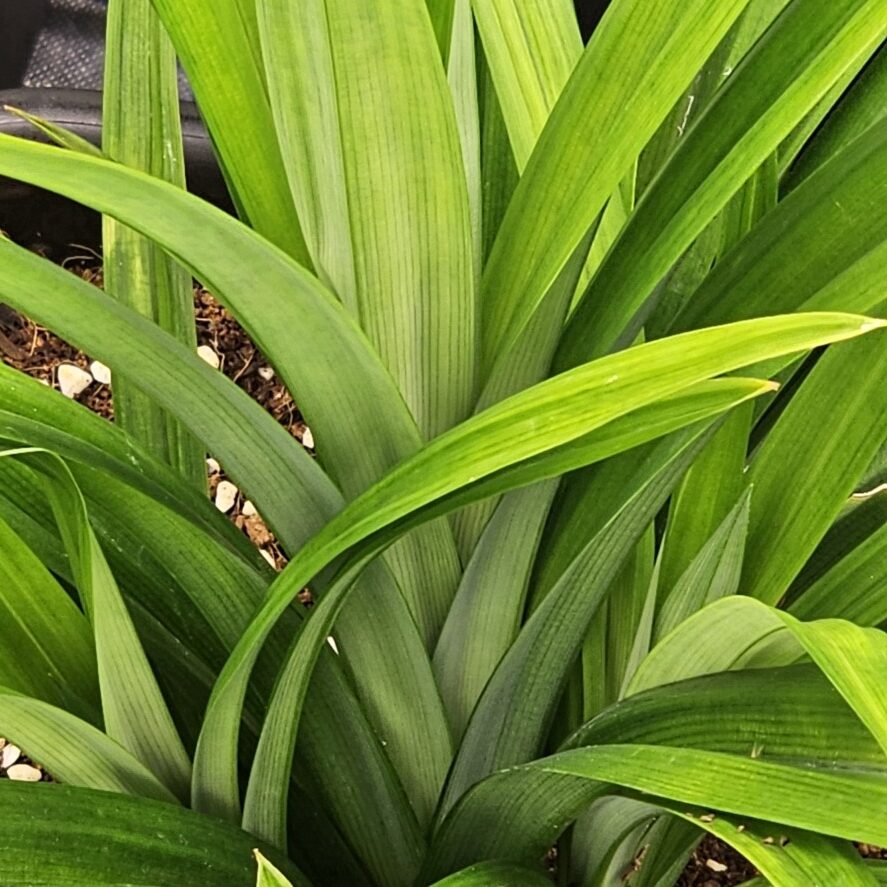
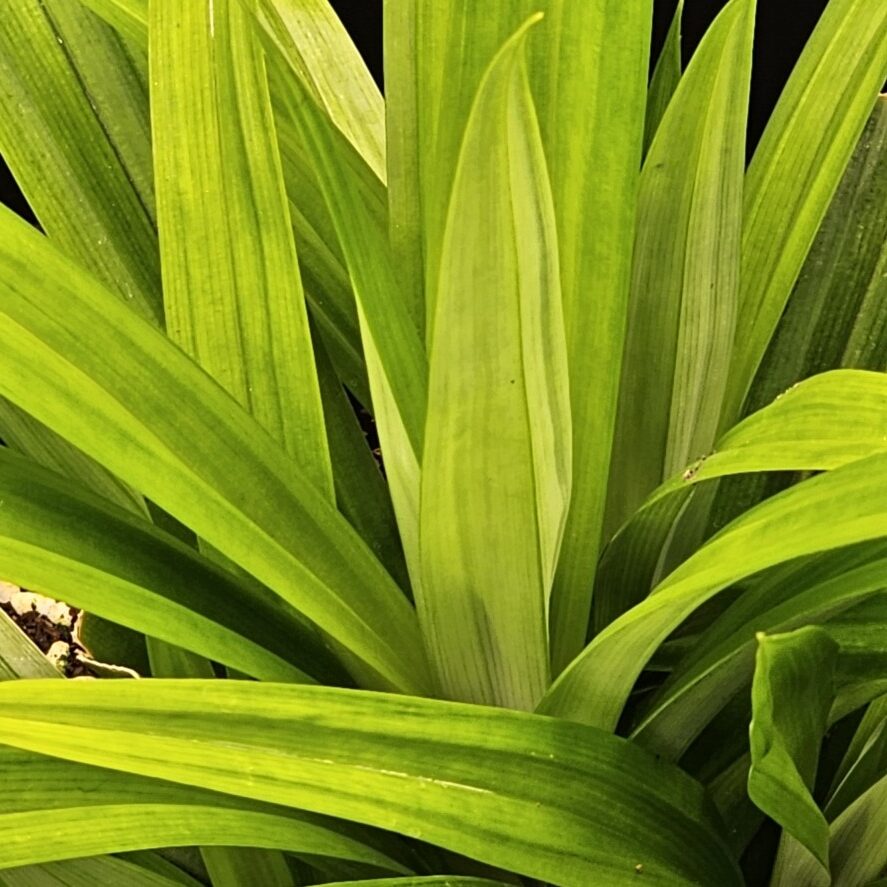
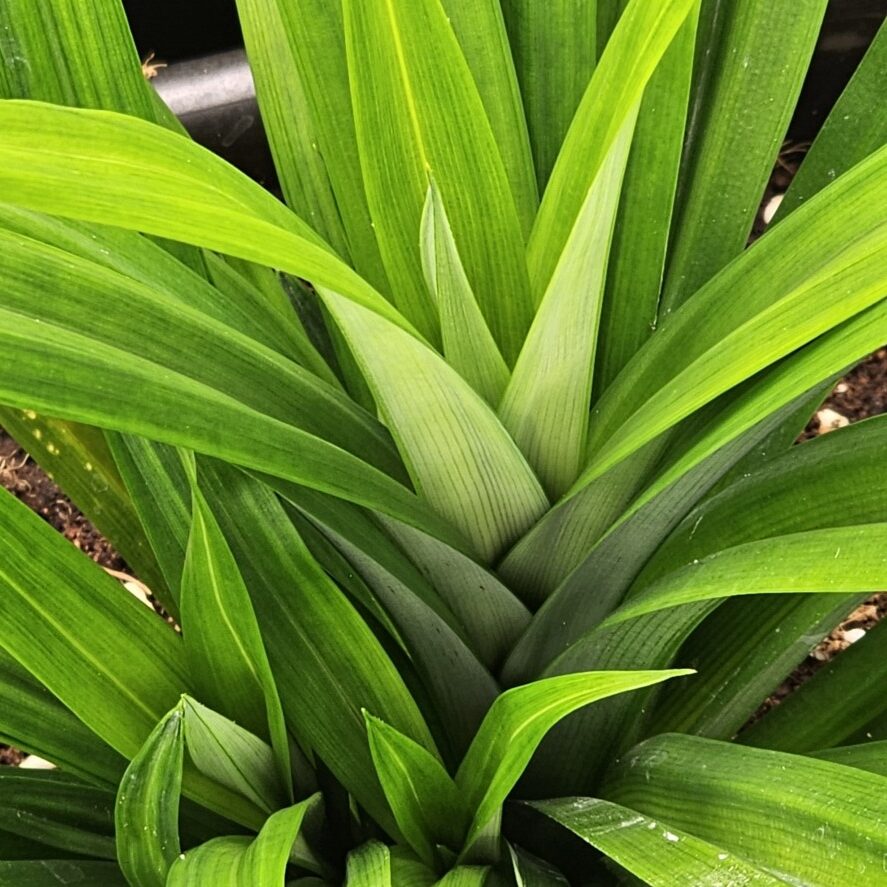
Pandan aka Pandanus amaryllifolius – large 15l autopot (freight included)
Original price was: $375.00.$325.00Current price is: $325.00.
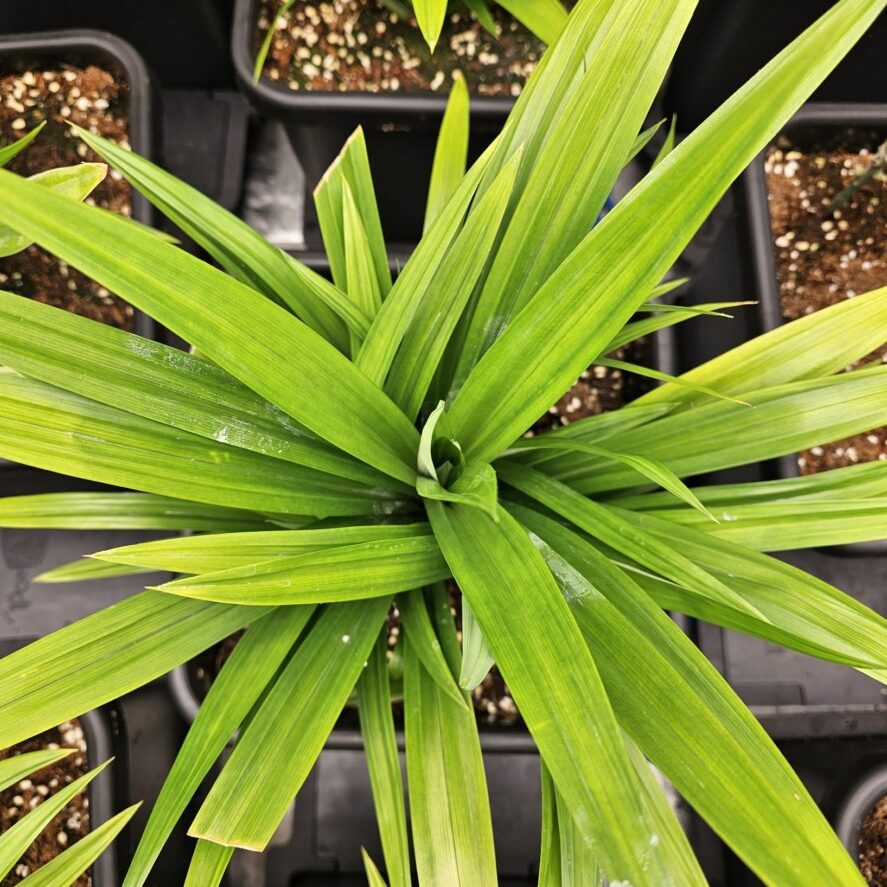
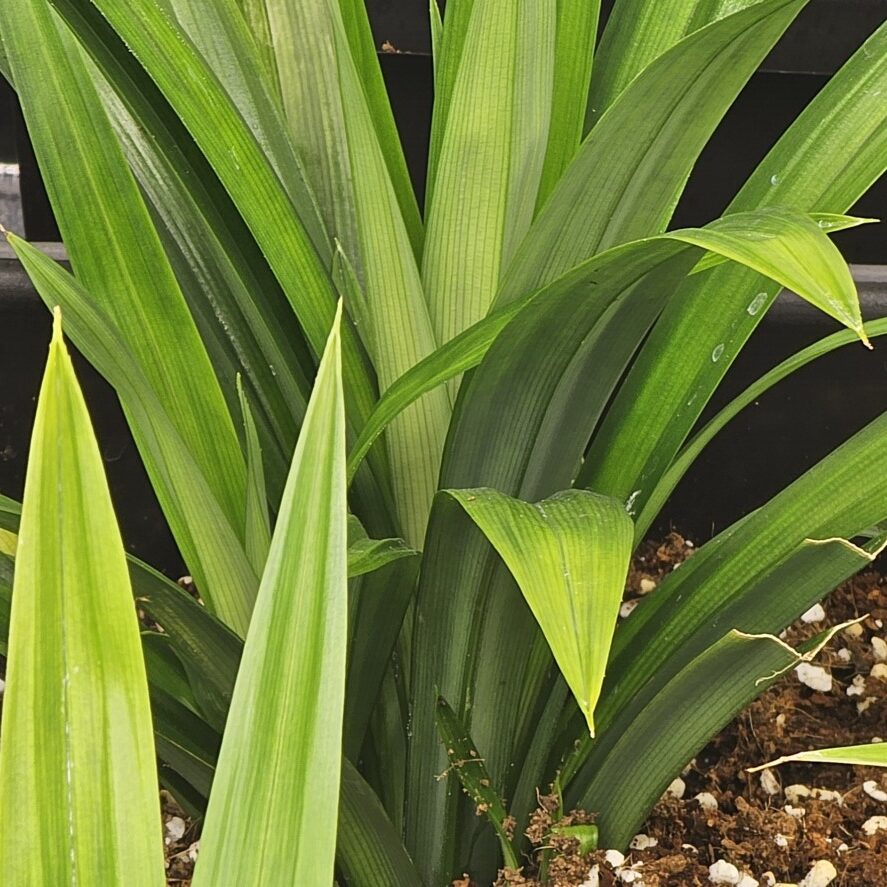
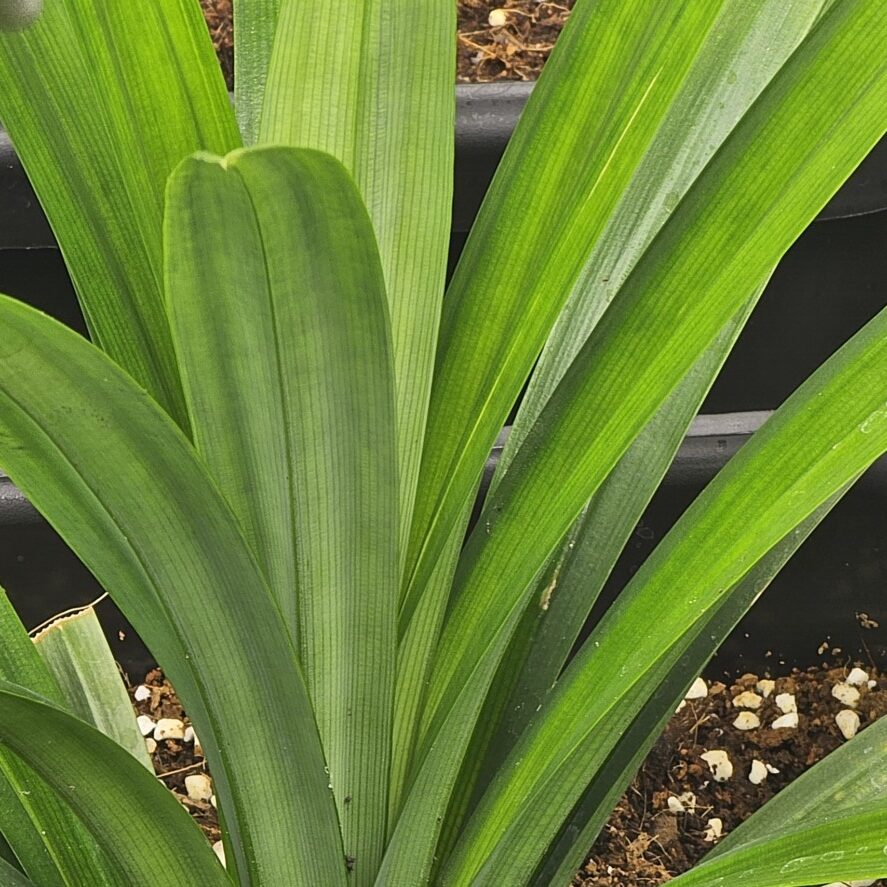
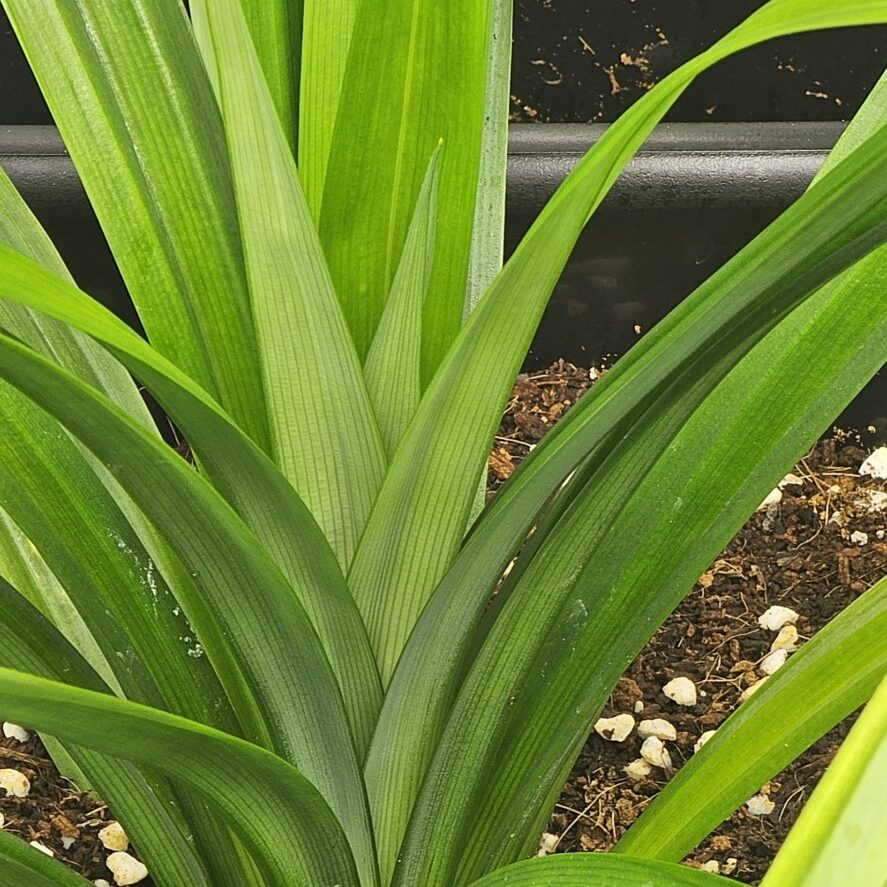
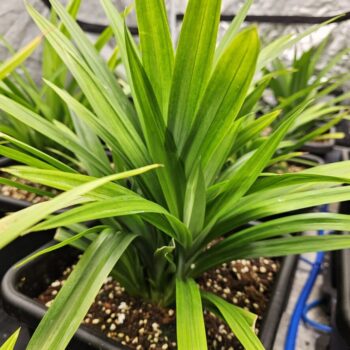
You get one of these pandan plants in a 15l Autopot in cococoir and perlite with minimum 5 pandan growth points. That is a potential of 5(+) plants
Uses of Pandan
Pandan is prized not only for its fragrance but also for its versatility. Here are some popular uses:
- Culinary Uses:
- Flavoring: Pandan leaves are often used to flavor rice (like in Nasi Lemak), desserts (such as Pandan cake and jelly), and beverages. They impart a unique, subtle flavor that’s hard to replicate.
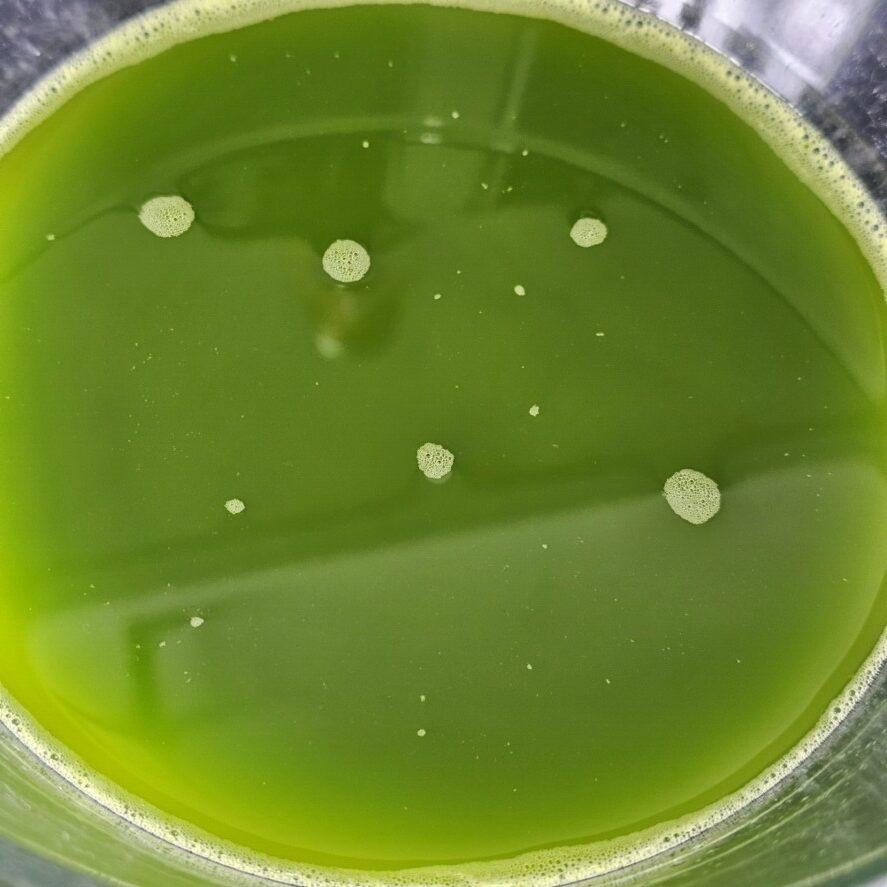
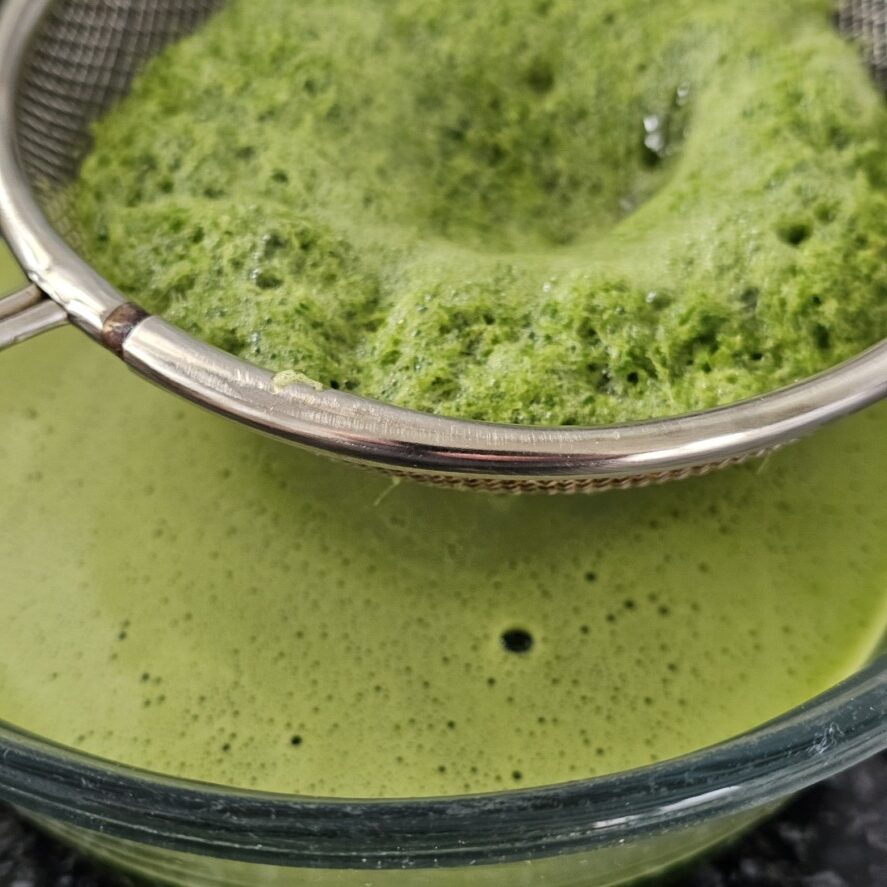
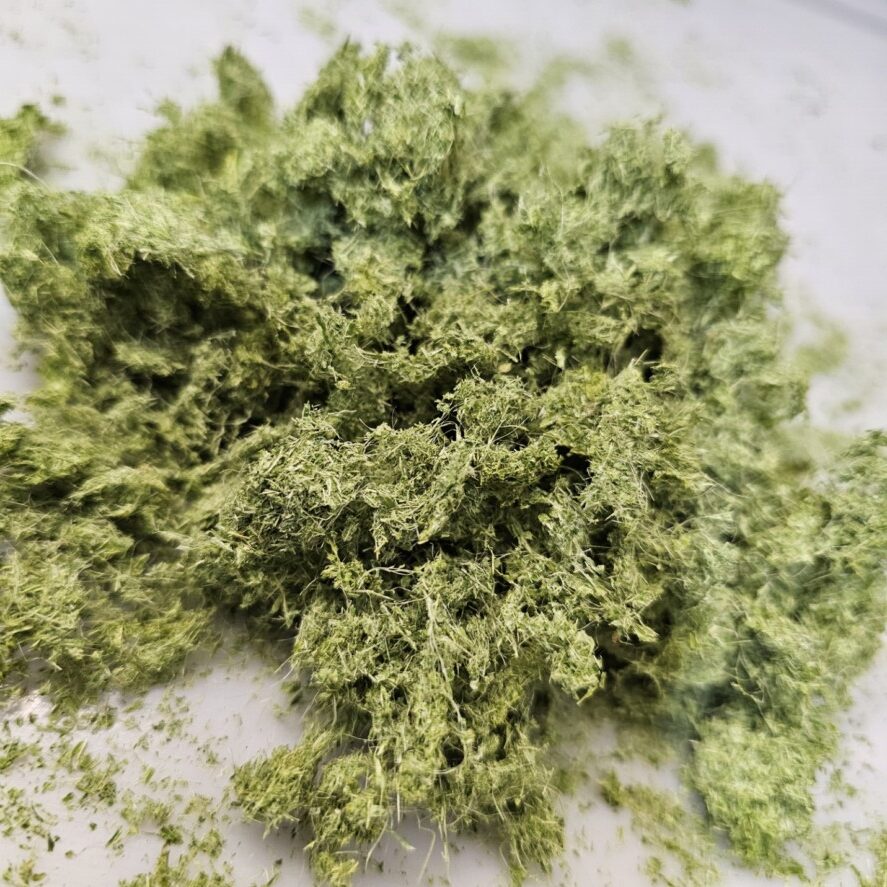
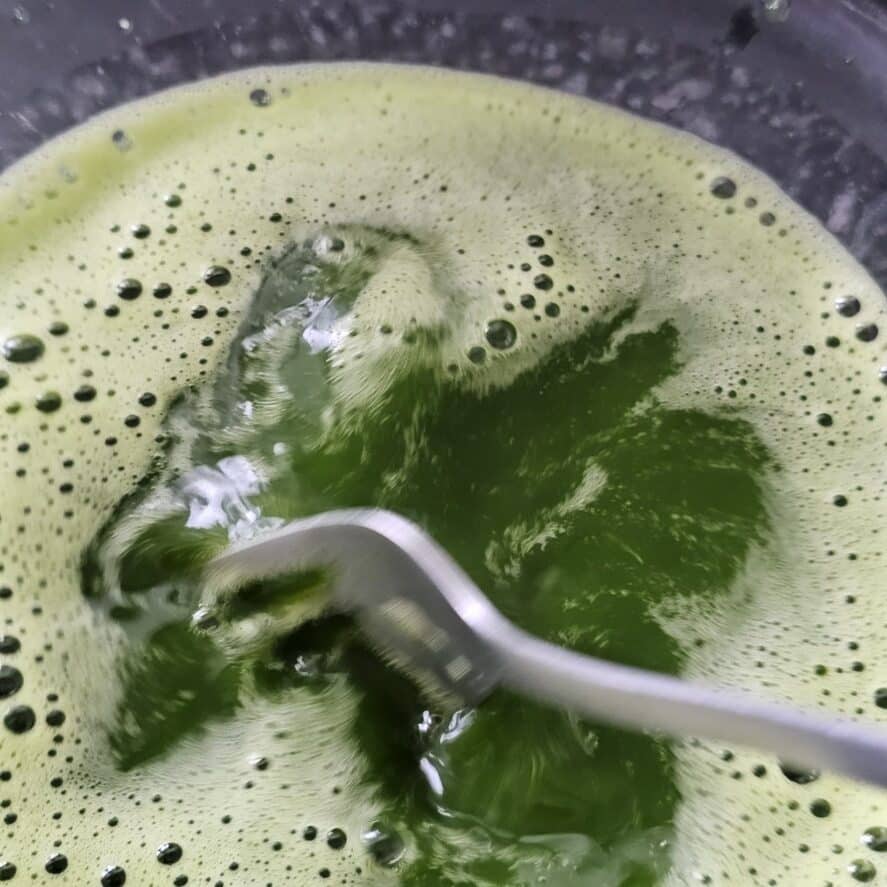
- Natural Coloring: The bright green pigment of Pandan can be extracted and used as a natural food coloring for cakes, pastries, and other desserts.
- Wrapping Food: Similar to banana leaves, Pandan leaves can be used to wrap food before steaming or grilling, infusing a mild, aromatic flavor into the dish.
- Medicinal Uses:
- Traditionally, Pandan has been used in folk medicine for its potential health benefits, such as reducing fever, easing arthritis pain, and relieving headaches.
- Craft and Household Uses:
- In some cultures, Pandan leaves are woven into mats, baskets, and even used as natural air fresheners due to their pleasant scent.
Out of stock
Welcome to our comprehensive guide on Pandan plants! Known for their aromatic leaves and versatile uses, Pandan plants (Pandanus amaryllifolius) are a favorite in many tropical gardens and kitchens around the world. Whether you’re a seasoned gardener or just starting your plant journey, Pandan offers an exciting opportunity to explore the flavors of Southeast Asia right in your backyard. In this blog, we’ll dive into what makes Pandan so special, how to grow it successfully, and the various ways you can use it in your cooking.
What is Pandan?
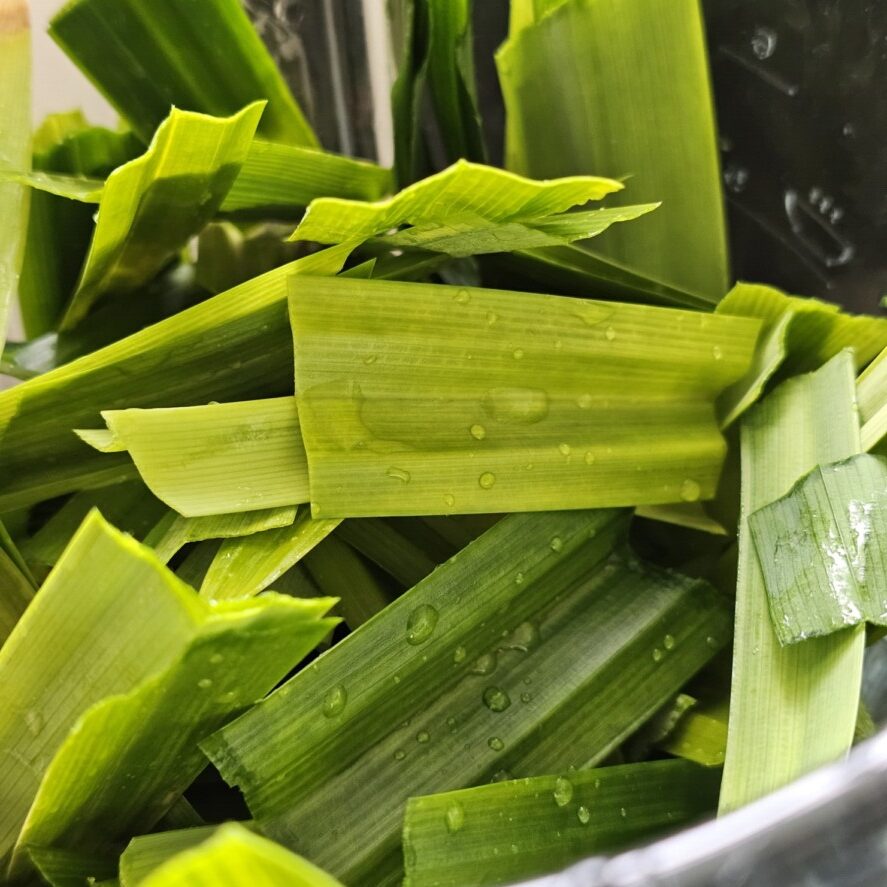
Pandan is a tropical plant known for its unique, sweet aroma and bright green leaves. It’s a staple in Southeast Asian cuisine, particularly in countries like Thailand, Malaysia, Indonesia, and the Philippines. The leaves are often used to infuse flavor into rice, desserts, and savory dishes, adding a subtle, vanilla-like fragrance that’s both refreshing and delicious.
Why Grow Pandan?
Growing Pandan is not just about having a beautiful tropical plant in your garden; it’s also about adding a versatile ingredient to your kitchen. Here are some reasons why you should consider growing Pandan:
- Aromatic Leaves: The leaves of the Pandan plant are fragrant and can be used fresh or dried in various culinary applications.
- Versatility: Beyond the kitchen, Pandan leaves are also used in traditional medicine and crafting, making them a multipurpose plant.
- Tropical Aesthetic: With its bright green, strappy leaves, Pandan adds a lush, tropical vibe to any garden or indoor plant collection.
Growing Pandan: Tips for Success
Pandan plants are relatively easy to grow, especially if you live in a warm, humid climate. Here’s how you can ensure your Pandan plant thrives:
- Climate and Location:
- Pandan thrives in tropical and subtropical climates. It prefers warm, humid conditions and cannot tolerate frost. If you live in a cooler climate, consider growing Pandan indoors or in a greenhouse.
- Choose a location with partial shade to full sun. Pandan plants can tolerate some direct sunlight, but too much intense light can scorch their leaves.
- Soil Requirements:
- Pandan prefers well-draining, loamy soil that is rich in organic matter. Ensure the soil remains moist but not waterlogged. Adding compost can improve soil fertility and drainage.
- Watering:
- Keep the soil consistently moist, especially during the hot summer months. However, avoid overwatering, which can lead to root rot. Water the plant regularly, allowing the top inch of soil to dry out slightly between waterings.
- Fertilization:
- Feed your Pandan plant with a balanced liquid fertilizer every 4-6 weeks during the growing season (spring and summer) to encourage healthy growth.
- Propagation:
- Pandan can be propagated through suckers or offshoots that grow at the base of the plant. Carefully remove these suckers with roots intact and replant them in a separate pot or directly in the ground.
- Pest and Disease Control:
- Pandan plants are generally hardy and resistant to pests. However, keep an eye out for common garden pests like aphids or spider mites and treat them promptly with insecticidal soap or neem oil if needed.
Harvesting Pandan Leaves
Once your Pandan plant has established itself and has several mature leaves, you can start harvesting:
- How to Harvest: Use a sharp pair of scissors or pruning shears to cut the leaves close to the base. Harvest leaves as needed, but avoid taking too many at once to prevent stressing the plant.
- Storage: Fresh Pandan leaves can be stored in the refrigerator for up to a week. For longer storage, consider freezing them.
Bringing Pandan to Your Home
Adding Pandan to your garden or home not only brings a touch of the tropics to your space but also provides a sustainable source of this versatile plant for cooking, crafting, and more. Whether you’re brewing a pot of fragrant pandan tea or crafting a unique homemade air freshener, the possibilities are endless!
Ready to grow your own Pandan plant? Browse our selection of Pandan plants and start your tropical garden journey today!
Happy gardening!
Only logged in customers who have purchased this product may leave a review.
Related products
Black Sapote 7.5L – The Chocolate Pudding Fruit, Black Persimmon, Diospyros digyna
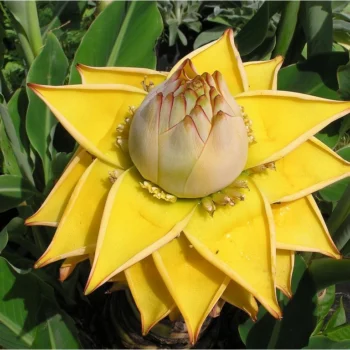
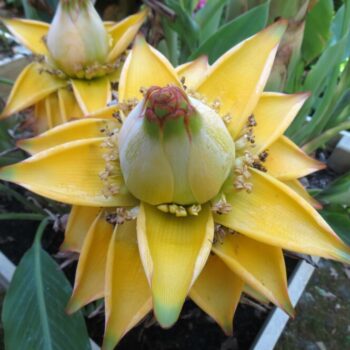
Discover the Exotic Beauty of the Musella lasiocarpa – Golden Lotus Banana!
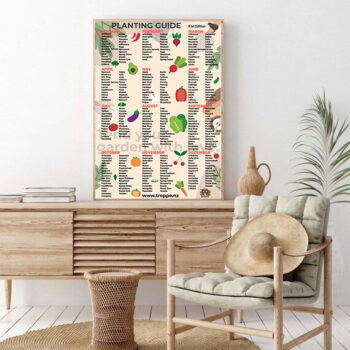
Printable Planting Guide Poster – Kiwi Edition (Digital Download)
This planting guide is tailored specifically for New Zealand, with a focus on the North Island’s warmer climate. It should serve as a useful general reference for most regions in the country. If you reside in an area with a particularly cool climate, we recommend conducting additional research to ensure optimal planting results.
Important: This is a digital download poster. You will receive a PDF file for download, NOT a physical poster. You can print your poster at a local stationery store or similar. Frame not included.
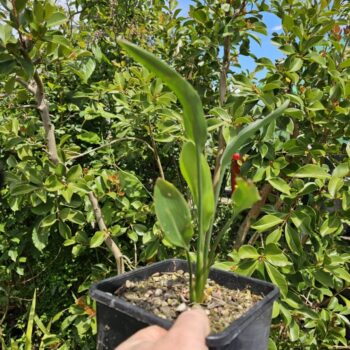
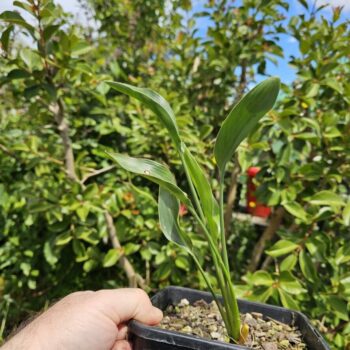
RARE Strelitzia parvifolia var. juncea – Reed or Leafless Bird of Paradise
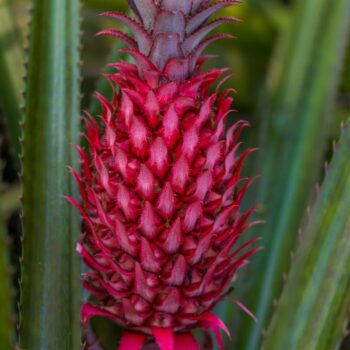
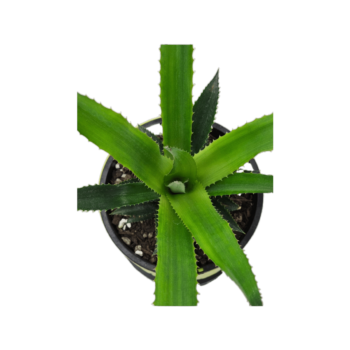
The Red Pineapple (Ananas bracteatus)
Key Features
- Striking Appearance: The Red Pineapple is renowned for its eye-catching red fruit, which is smaller but more colorful than the common pineapple. Its bright, reddish-pink bracts and green foliage make it a standout in any setting.
- Versatile Use: This plant can be grown both outdoors in tropical and subtropical climates and indoors as a potted plant in cooler regions.
- Easy to Grow: The Red Pineapple is a low-maintenance plant that thrives in well-drained soil and requires minimal watering once established. It's also resistant to many common pests and diseases.
- Edible and Ornamental: While primarily grown for its ornamental value, the fruit of the Red Pineapple is edible and can be enjoyed fresh, though it is often more tart than commercial pineapples.
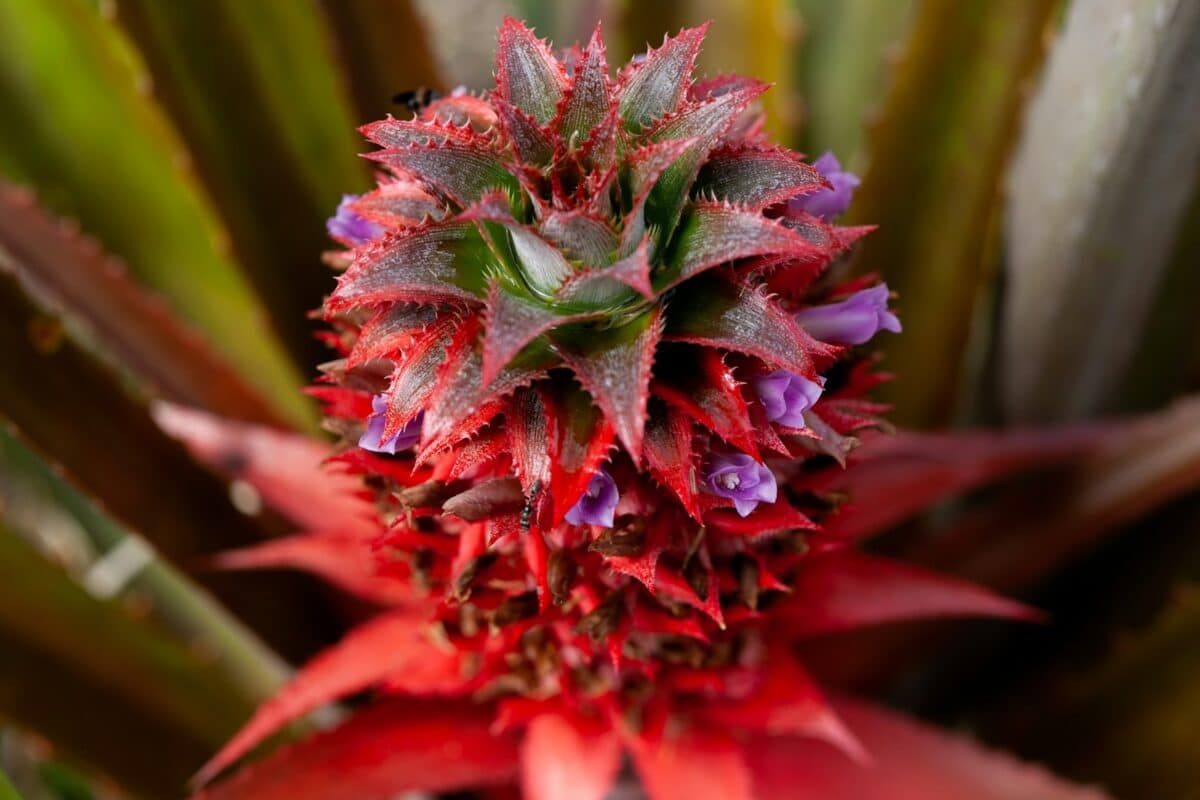
Photo by PROJETO CAFÉ GATO-MOURISCO on Unsplash
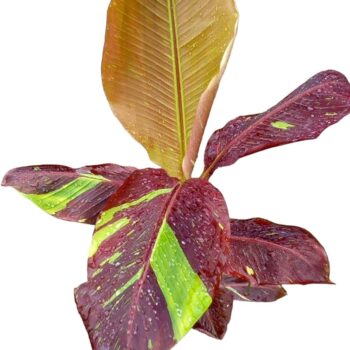
Sizzle with Style: Discover the Musa Siam Ruby Banana! 8.5L
Get ready to add a splash of tropical flair to your garden or home with the Musa Siam Ruby Banana! Known for its striking red foliage and compact size, this dazzling banana plant is the perfect blend of exotic beauty and easy care. Whether you’re dreaming of a lush backyard oasis or a vibrant indoor jungle, the Siam Ruby Banana is here to steal the show.
Why You’ll Love the Siam Ruby Banana:
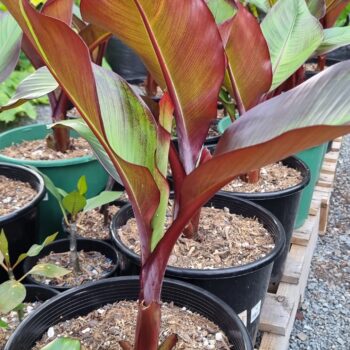
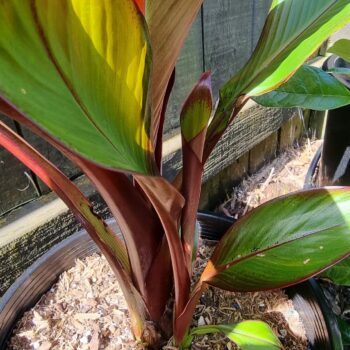
- Exotic Red Foliage: The Siam Ruby Banana boasts deep red leaves that create a stunning visual impact. Its rich hues are sure to catch everyone’s eye and make your space pop!
- Compact and Versatile: This plant is perfect for smaller gardens or containers, making it a fantastic choice for patios, balconies, or even as a houseplant.
- Low Maintenance: Despite its exotic looks, the Siam Ruby Banana is surprisingly easy to care for. It’s a hardy plant that thrives with minimal fuss.
- Tropical Vibes: Bring a touch of the tropics to your home with this unique banana plant. Its vibrant colors and lush leaves create a vacation-like atmosphere right in your own backyard.
Bring Home the Siam Ruby Banana:
Ready to transform your space with a burst of tropical color? The Musa Siam Ruby Banana is your ticket to a vibrant, exotic garden or indoor paradise. Whether you’re a plant enthusiast or just looking for something unique, this banana plant is sure to impress.

Reviews
Clear filtersThere are no reviews yet.