


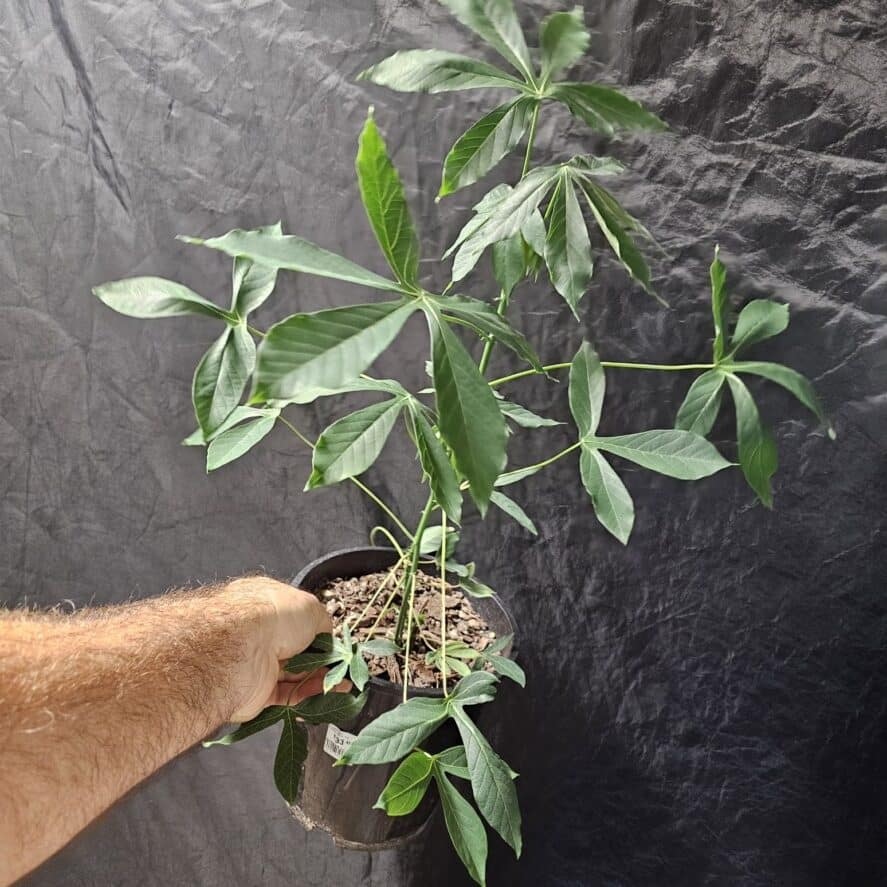
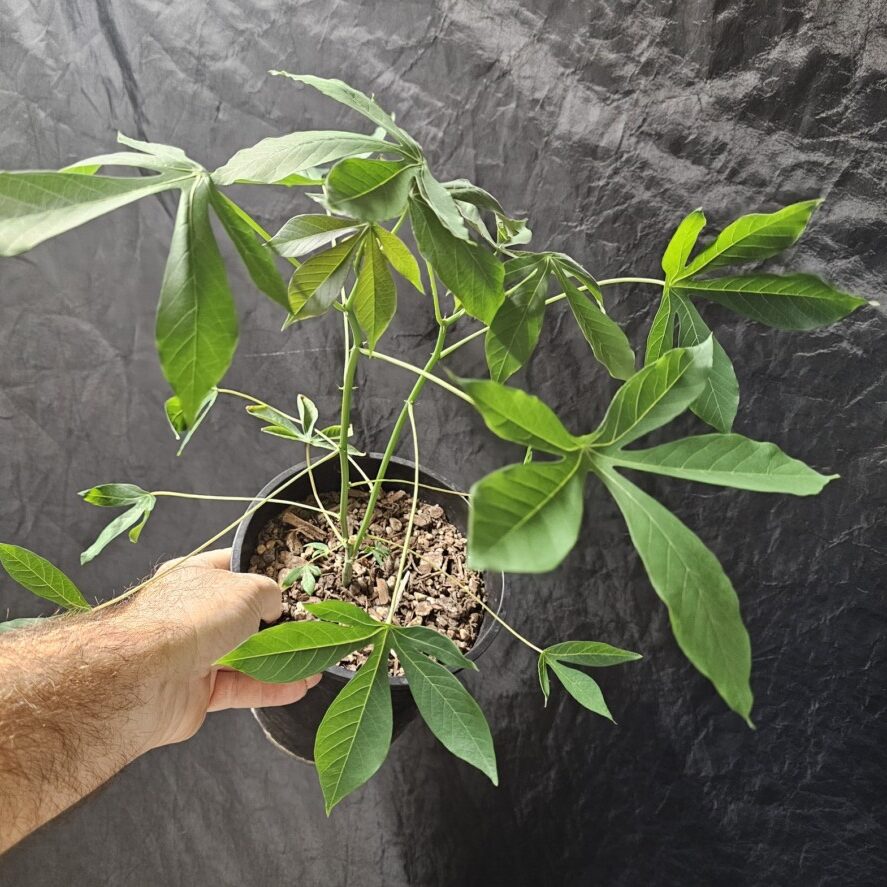
Manihot esculenta – Cassava / Manioc / Yuca
$65.00
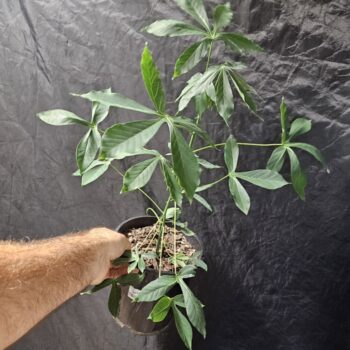
Cassava (Manihot esculenta) is a hardy, fast-growing perennial shrub cultivated for its starchy tuberous roots, which serve as a staple food for millions worldwide. It thrives in warm climates and is known for its high resilience to drought and poor soils. The plant features deeply lobed green leaves and grows up to 3 meters tall, making it an excellent addition to food forests and permaculture systems.
Out of stock
Growing Conditions in New Zealand
Cassava can be successfully grown in warmer regions of New Zealand, such as Northland, Auckland, Bay of Plenty, and other frost-free areas. It prefers well-drained, sandy or loamy soils and full sun. In cooler climates, cassava can be grown in containers or greenhouses.
Growing Requirements:
- Climate: Warm, frost-free regions
- Soil: Well-drained, sandy to loamy soil
- Sun: Full sun
- Watering: Moderate; drought-tolerant once established
- Propagation: Stem cuttings planted directly into the ground
- Harvesting: 8-12 months after planting; tubers can be left in the ground until needed
Uses & Benefits
- Edible Tubers: Used for making flour, starch, and traditional dishes like cassava chips, tapioca, and fermented foods.
- Leaf Consumption: Young leaves are rich in protein and can be cooked similarly to spinach.
- Resilience: Drought-resistant and adaptable to poor soils, making it ideal for regenerative agriculture.
- Animal Feed: Leaves and tubers can be processed as livestock feed.
- Carbon Sequestration: Helps improve soil health and biodiversity.
How to Plant & Care
- Propagation: Take 20-30 cm stem cuttings and plant them directly in well-drained soil.
- Spacing: Allow at least 1 meter between plants.
- Fertilization: Minimal; organic compost or potassium-rich amendments enhance growth.
- Pest & Disease Management: Generally pest-resistant but may be affected by spider mites in dry conditions.
- Harvesting: When stems start to mature (8-12 months), carefully dig out tubers without damaging them.
Availability & Shipping
We offer cassava cuttings and rooted plants for sale, available for shipping within New Zealand. Contact us for bulk orders and growing advice.
🌿 Order Your Cassava Plants Today! 🌿
📍 Location: Grown in New Zealand
⚠ Caution: In cold, wet areas, cassava is prone to root rot and poor growth. Ensure well-draining soil and consider container or greenhouse growing in such conditions.
Only logged in customers who have purchased this product may leave a review.
Related products
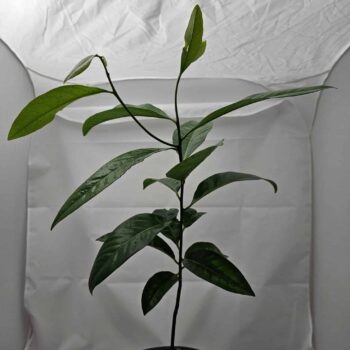
Black Sapote 7.5L – The Chocolate Pudding Fruit, Black Persimmon, Diospyros digyna
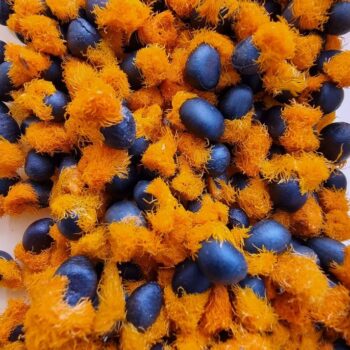

Packet of 25 Fresh Strelitzia reginae Seeds Pollinated in Bay of Plenty, NZ
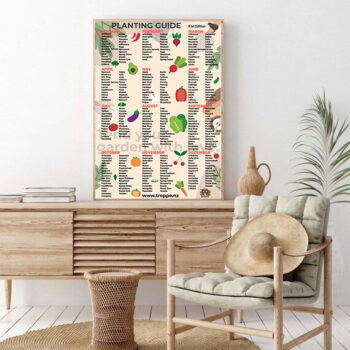
Printable Planting Guide Poster – Kiwi Edition (Digital Download)
This planting guide is tailored specifically for New Zealand, with a focus on the North Island’s warmer climate. It should serve as a useful general reference for most regions in the country. If you reside in an area with a particularly cool climate, we recommend conducting additional research to ensure optimal planting results.
Important: This is a digital download poster. You will receive a PDF file for download, NOT a physical poster. You can print your poster at a local stationery store or similar. Frame not included.
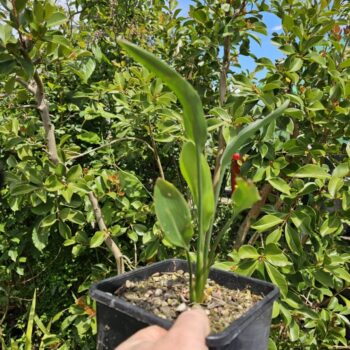
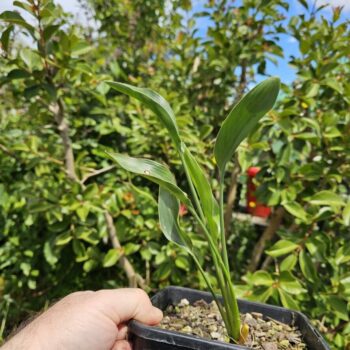
RARE Strelitzia parvifolia var. juncea – Reed or Leafless Bird of Paradise
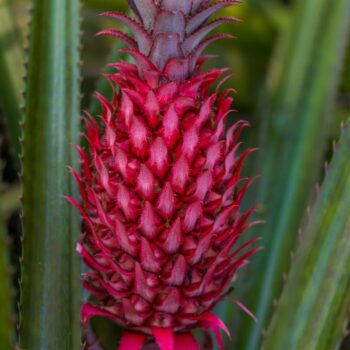
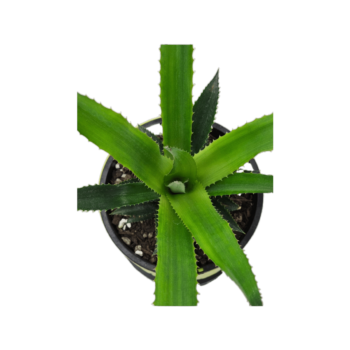
The Red Pineapple (Ananas bracteatus)
Key Features
- Striking Appearance: The Red Pineapple is renowned for its eye-catching red fruit, which is smaller but more colorful than the common pineapple. Its bright, reddish-pink bracts and green foliage make it a standout in any setting.
- Versatile Use: This plant can be grown both outdoors in tropical and subtropical climates and indoors as a potted plant in cooler regions.
- Easy to Grow: The Red Pineapple is a low-maintenance plant that thrives in well-drained soil and requires minimal watering once established. It's also resistant to many common pests and diseases.
- Edible and Ornamental: While primarily grown for its ornamental value, the fruit of the Red Pineapple is edible and can be enjoyed fresh, though it is often more tart than commercial pineapples.
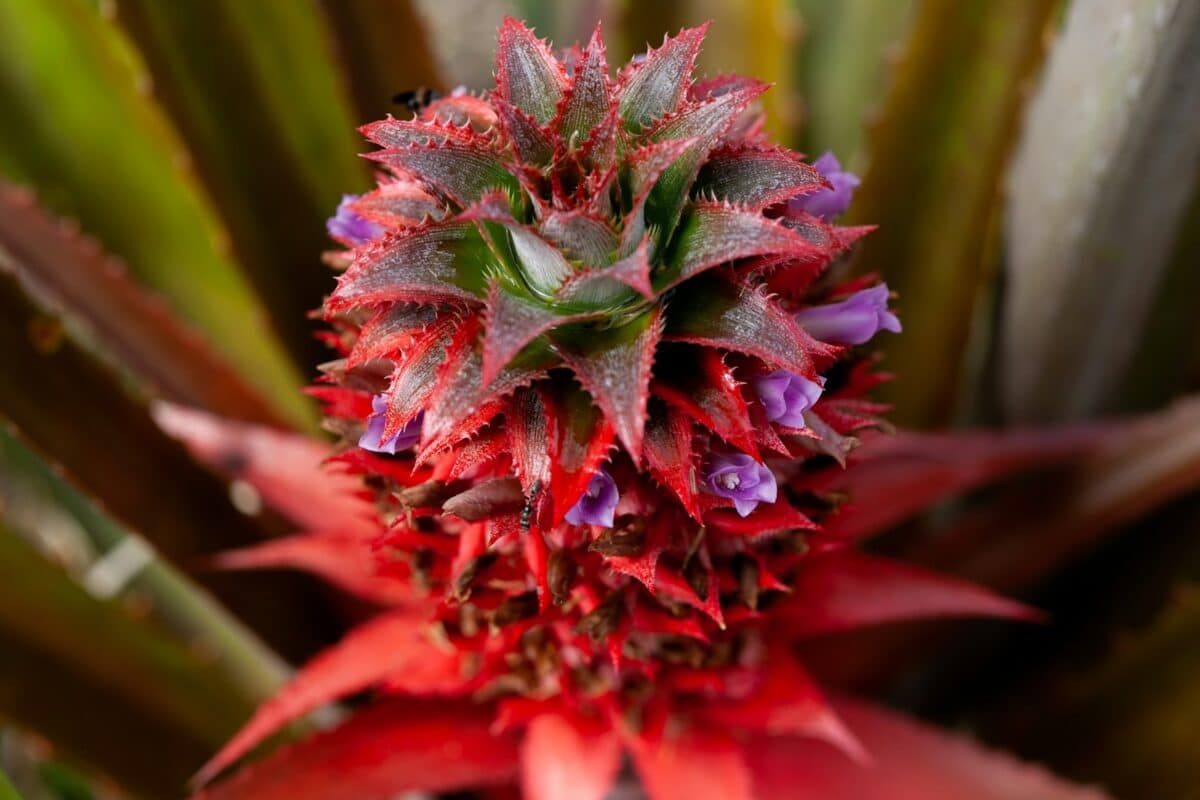
Photo by PROJETO CAFÉ GATO-MOURISCO on Unsplash
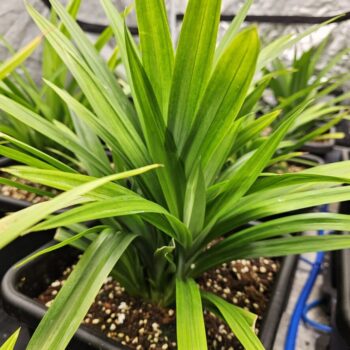
Pandan aka Pandanus amaryllifolius – large 15l autopot (freight included)
You get one of these pandan plants in a 15l Autopot in cococoir and perlite with minimum 5 pandan growth points. That is a potential of 5(+) plants
Uses of Pandan
Pandan is prized not only for its fragrance but also for its versatility. Here are some popular uses:
- Culinary Uses:
- Flavoring: Pandan leaves are often used to flavor rice (like in Nasi Lemak), desserts (such as Pandan cake and jelly), and beverages. They impart a unique, subtle flavor that’s hard to replicate.
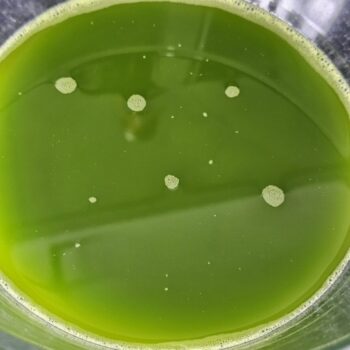
- Natural Coloring: The bright green pigment of Pandan can be extracted and used as a natural food coloring for cakes, pastries, and other desserts.
- Wrapping Food: Similar to banana leaves, Pandan leaves can be used to wrap food before steaming or grilling, infusing a mild, aromatic flavor into the dish.
- Medicinal Uses:
- Traditionally, Pandan has been used in folk medicine for its potential health benefits, such as reducing fever, easing arthritis pain, and relieving headaches.
- Craft and Household Uses:
- In some cultures, Pandan leaves are woven into mats, baskets, and even used as natural air fresheners due to their pleasant scent.



Reviews
Clear filtersThere are no reviews yet.