




Black Sapote 7.5L – The Chocolate Pudding Fruit, Black Persimmon, Diospyros digyna
$155.00
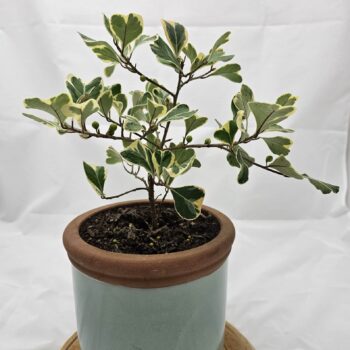
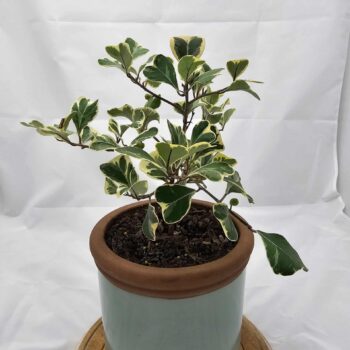
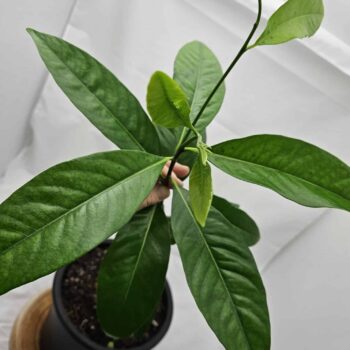
You are buying a Chocolate Pudding Fruit / Black Persimmon / Black Sapote (Diospyros digyna) seedling as pictured, planted in a 7.5 litre pot. You are buying a plant the same or very similar to the one in pictures.
These seedlings hail from a top-notch crop grown in Brisbane, Australia. They boast large, juicy fruits with sky-high sweetness levels, thanks to their high brix count. These plants are rock stars in the North Island, thriving and producing delicious treats!
The Black Sapote is a Tomato-like fruit, 10 x 13 cm. large berry with a thin and firm rind. Its colour is shining dark green with brown specs. The fruit flesh is rich, dark brown collared and custard like and is therefore called the Chocolate pudding fruit. Complete ripe fruits are often ugly brown. Black sapote’s flesh is rich and custard-like, with a sweet, nut-like mild flavour and when ripe fruit pulp is blended with milk, cream or ice-cream, it tastes like mild chocolate – but without the caffeine or calories!
Out of stock
Product Name: Black Sapote (Chocolate Pudding Fruit, Black Persimmon)
Scientific Name: Diospyros digyna
Discover the unique and delicious Black Sapote, also known as the Chocolate Pudding Fruit or Black Persimmon. This tropical fruit, native to Mexico and Central America, is renowned for its rich, creamy texture and chocolate-like flavor, making it a delightful and healthy alternative to traditional desserts.
Features and Benefits
- Unique Flavor and Texture: The Black Sapote’s flesh has a smooth, custard-like consistency and a taste reminiscent of chocolate pudding, providing a naturally sweet and indulgent treat.
- Nutrient-Rich: This fruit is not only delicious but also packed with essential nutrients, including vitamins A and C, potassium, and dietary fiber, contributing to overall health and well-being.
- Versatile Use: Enjoy Black Sapote fresh, scooped out of its skin, or use it in a variety of culinary applications such as smoothies, desserts, sauces, and baked goods.
- Exotic Appeal: Its unique appearance and exotic origins make Black Sapote a conversation starter and a distinctive addition to any fruit collection or recipe.
Growing Information
Black Sapote trees thrive in warm, tropical, or subtropical climates. They prefer full sun and well-draining soil rich in organic matter. The trees are relatively low-maintenance, resistant to many common pests and diseases, and begin to bear fruit 3-4 years after planting.
Harvesting and Enjoying Black Sapote
The fruit is ready to harvest when it turns from glossy green to dull, dark green and yields slightly to pressure. Allow the fruit to ripen off the tree at room temperature until it becomes soft and dark brown or black, with a texture similar to chocolate pudding. Once ripe, scoop out the flesh and enjoy it fresh or use it in various recipes.
Health Benefits
Black Sapote is not only a delicious treat but also offers numerous health benefits:
- Rich in Antioxidants: The high vitamin C content helps protect against oxidative stress and boosts the immune system.
- Promotes Digestive Health: Dietary fiber aids in digestion and supports a healthy gut.
- Supports Vision: Vitamin A is essential for maintaining good vision and eye health.
- Boosts Energy: Natural sugars provide a quick and healthy energy boost.
Conclusion
The Black Sapote, with its delightful chocolate-like flavor and numerous health benefits, is a must-try fruit for anyone looking to explore new and exotic tastes. Whether enjoyed fresh or incorporated into your favorite recipes, this unique fruit is sure to impress and satisfy your sweet tooth in a healthy way.
3 reviews for Black Sapote 7.5L – The Chocolate Pudding Fruit, Black Persimmon, Diospyros digyna
Clear filtersOnly logged in customers who have purchased this product may leave a review.
Related products
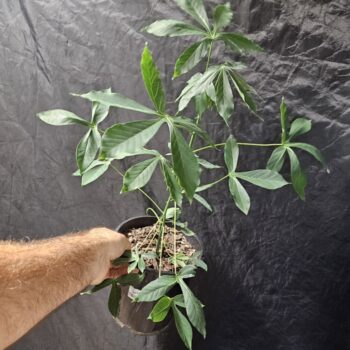
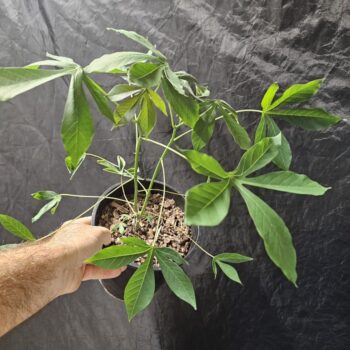
Manihot esculenta – Cassava / Manioc / Yuca
Cassava (Manihot esculenta) is a hardy, fast-growing perennial shrub cultivated for its starchy tuberous roots, which serve as a staple food for millions worldwide. It thrives in warm climates and is known for its high resilience to drought and poor soils. The plant features deeply lobed green leaves and grows up to 3 meters tall, making it an excellent addition to food forests and permaculture systems.
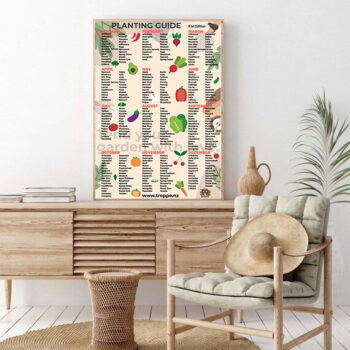
Printable Planting Guide Poster – Kiwi Edition (Digital Download)
This planting guide is tailored specifically for New Zealand, with a focus on the North Island’s warmer climate. It should serve as a useful general reference for most regions in the country. If you reside in an area with a particularly cool climate, we recommend conducting additional research to ensure optimal planting results.
Important: This is a digital download poster. You will receive a PDF file for download, NOT a physical poster. You can print your poster at a local stationery store or similar. Frame not included.
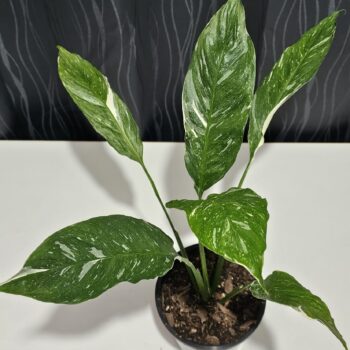
Spathiphyllum ‘Domino’ Variegated Peace Lilly
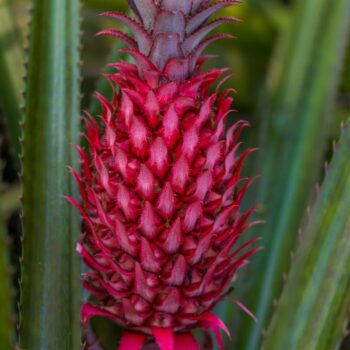
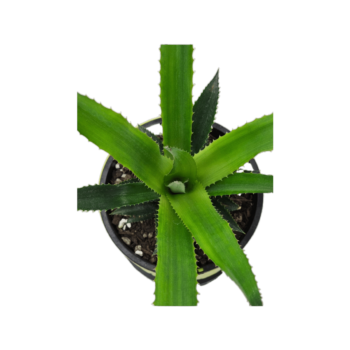
The Red Pineapple (Ananas bracteatus)
Key Features
- Striking Appearance: The Red Pineapple is renowned for its eye-catching red fruit, which is smaller but more colorful than the common pineapple. Its bright, reddish-pink bracts and green foliage make it a standout in any setting.
- Versatile Use: This plant can be grown both outdoors in tropical and subtropical climates and indoors as a potted plant in cooler regions.
- Easy to Grow: The Red Pineapple is a low-maintenance plant that thrives in well-drained soil and requires minimal watering once established. It's also resistant to many common pests and diseases.
- Edible and Ornamental: While primarily grown for its ornamental value, the fruit of the Red Pineapple is edible and can be enjoyed fresh, though it is often more tart than commercial pineapples.
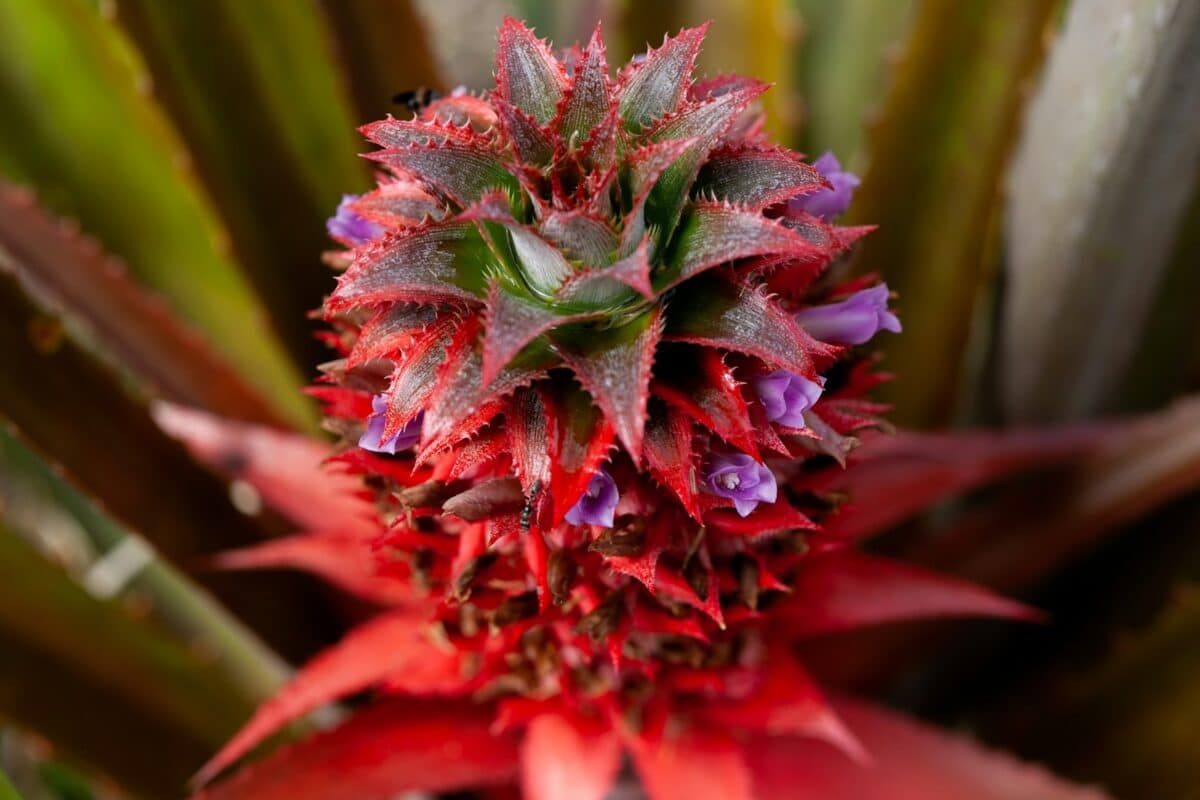
Photo by PROJETO CAFÉ GATO-MOURISCO on Unsplash
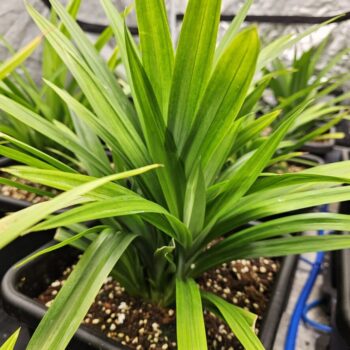
Pandan aka Pandanus amaryllifolius – large 15l autopot (freight included)
You get one of these pandan plants in a 15l Autopot in cococoir and perlite with minimum 5 pandan growth points. That is a potential of 5(+) plants
Uses of Pandan
Pandan is prized not only for its fragrance but also for its versatility. Here are some popular uses:
- Culinary Uses:
- Flavoring: Pandan leaves are often used to flavor rice (like in Nasi Lemak), desserts (such as Pandan cake and jelly), and beverages. They impart a unique, subtle flavor that’s hard to replicate.
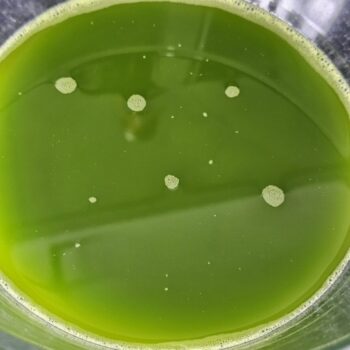
- Natural Coloring: The bright green pigment of Pandan can be extracted and used as a natural food coloring for cakes, pastries, and other desserts.
- Wrapping Food: Similar to banana leaves, Pandan leaves can be used to wrap food before steaming or grilling, infusing a mild, aromatic flavor into the dish.
- Medicinal Uses:
- Traditionally, Pandan has been used in folk medicine for its potential health benefits, such as reducing fever, easing arthritis pain, and relieving headaches.
- Craft and Household Uses:
- In some cultures, Pandan leaves are woven into mats, baskets, and even used as natural air fresheners due to their pleasant scent.

Funky Monkey –
Black Sapote sounds fancy. I’ll tell people I’m eating gourmet chocolate pudding while secretly munching on fruit!
ChocoLoco –
Did someone say chocolate pudding that’s good for you? I might just replace my snack stash with these little wonders!
Curious Cookie –
Wait, so this fruit is like a chocolate pudding but grows on a tree? Sign me up, I need this magic in my life!