


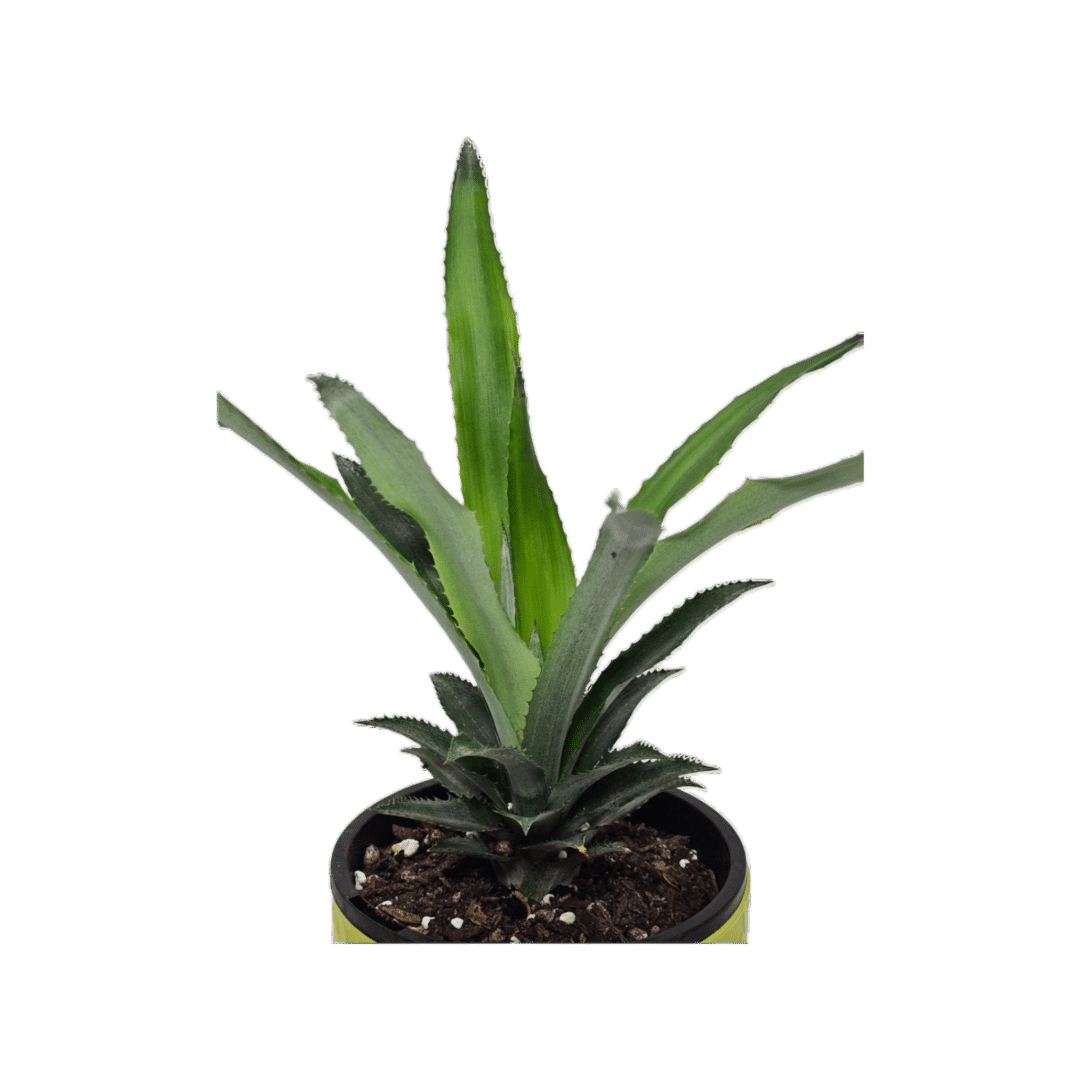
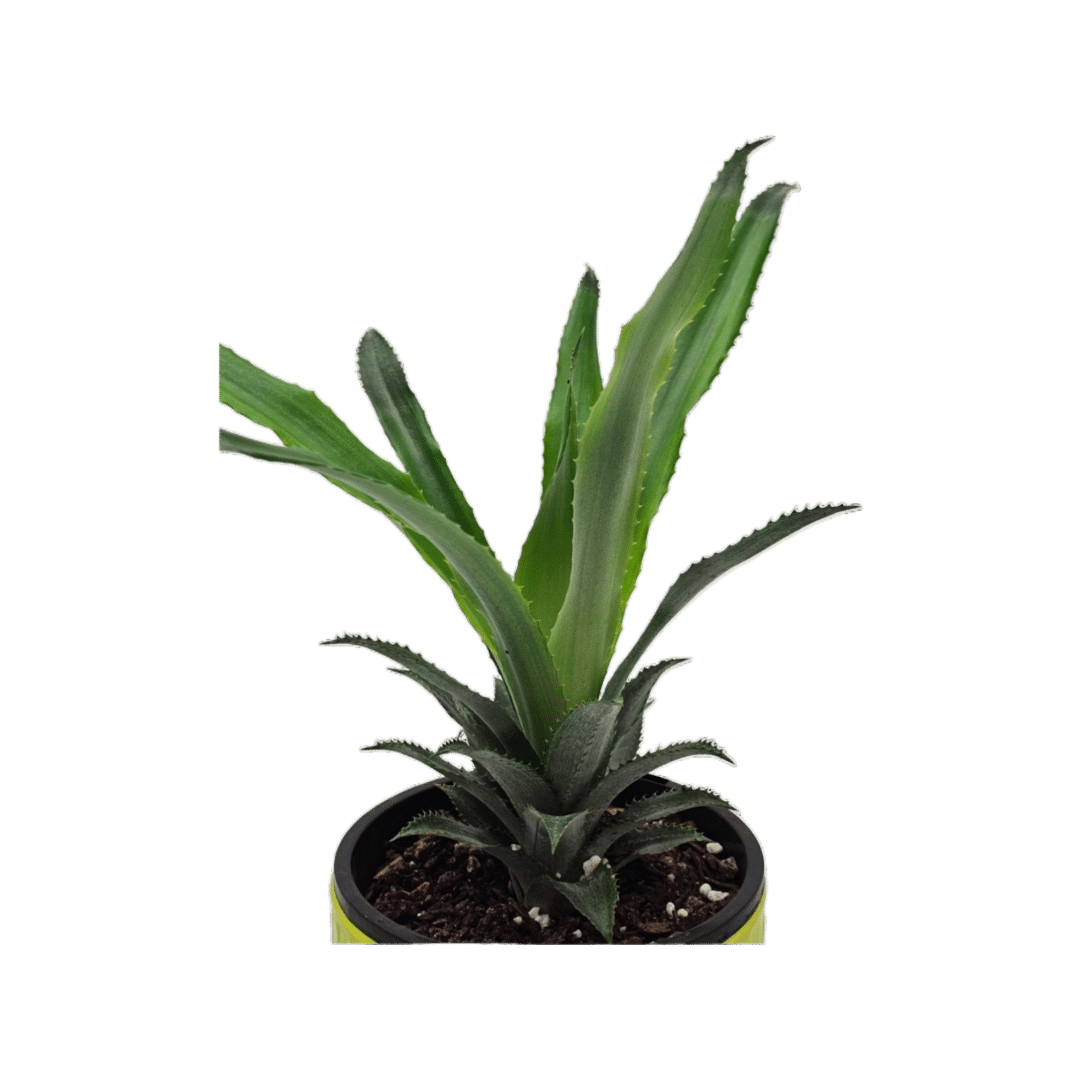
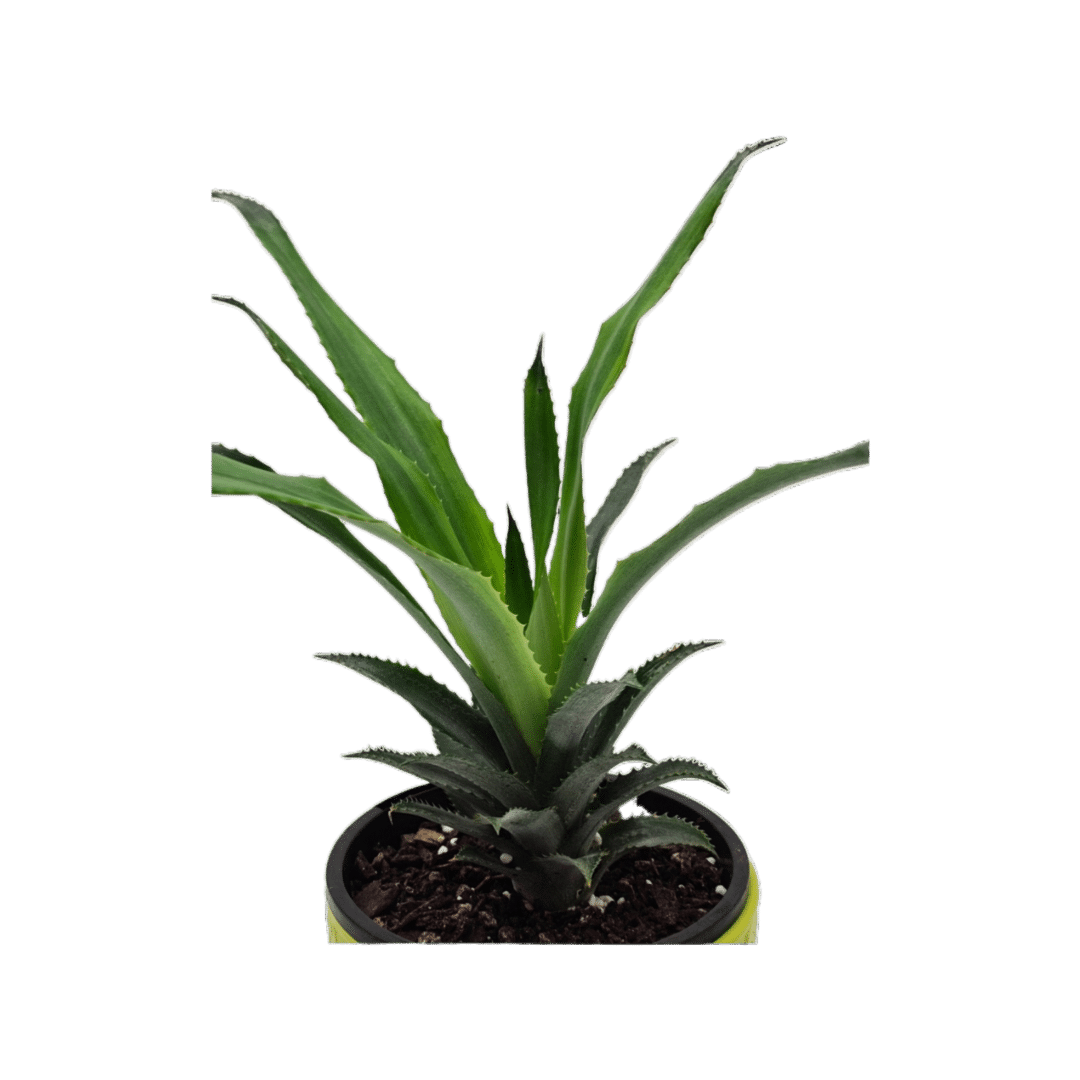
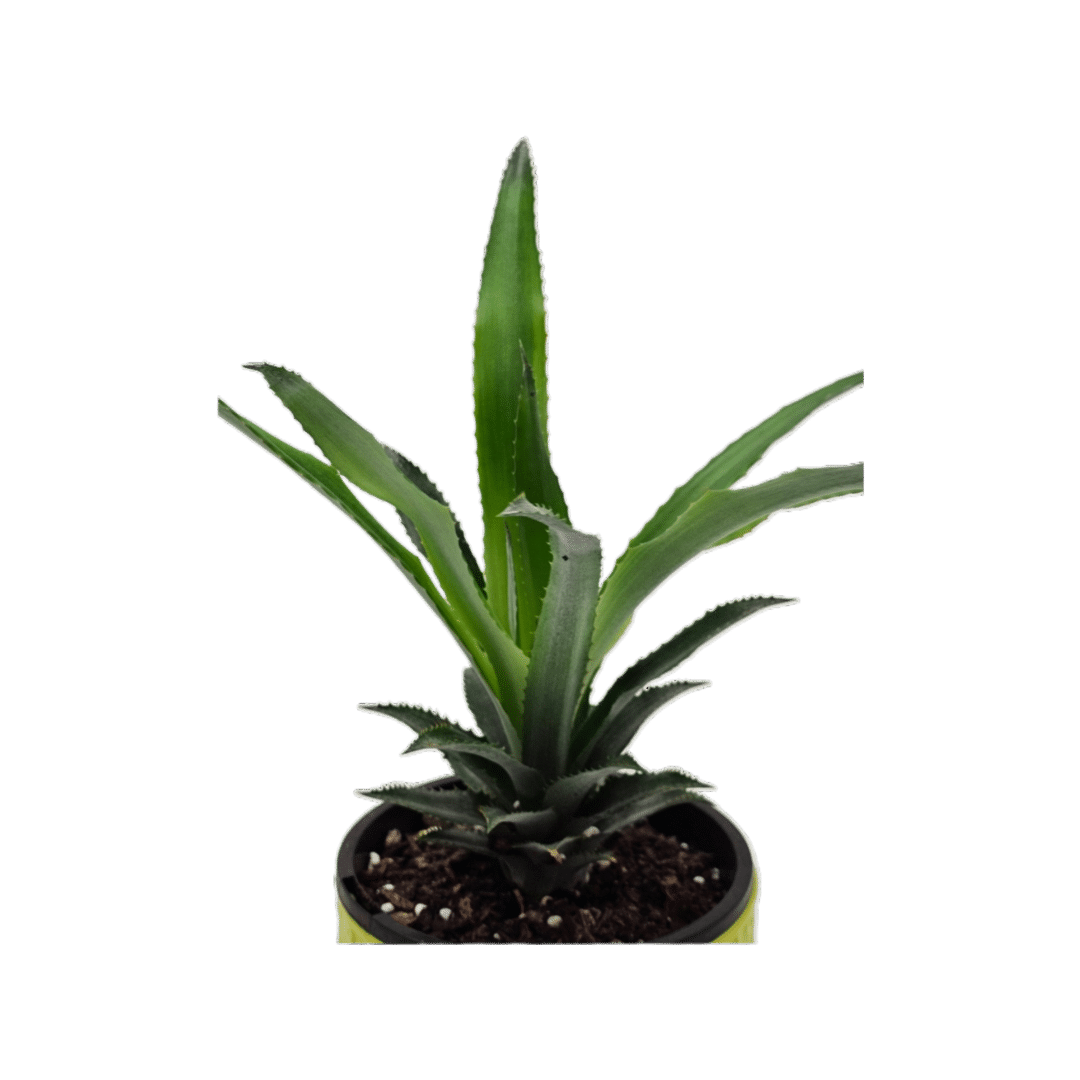

The Red Pineapple (Ananas bracteatus)
$24.95
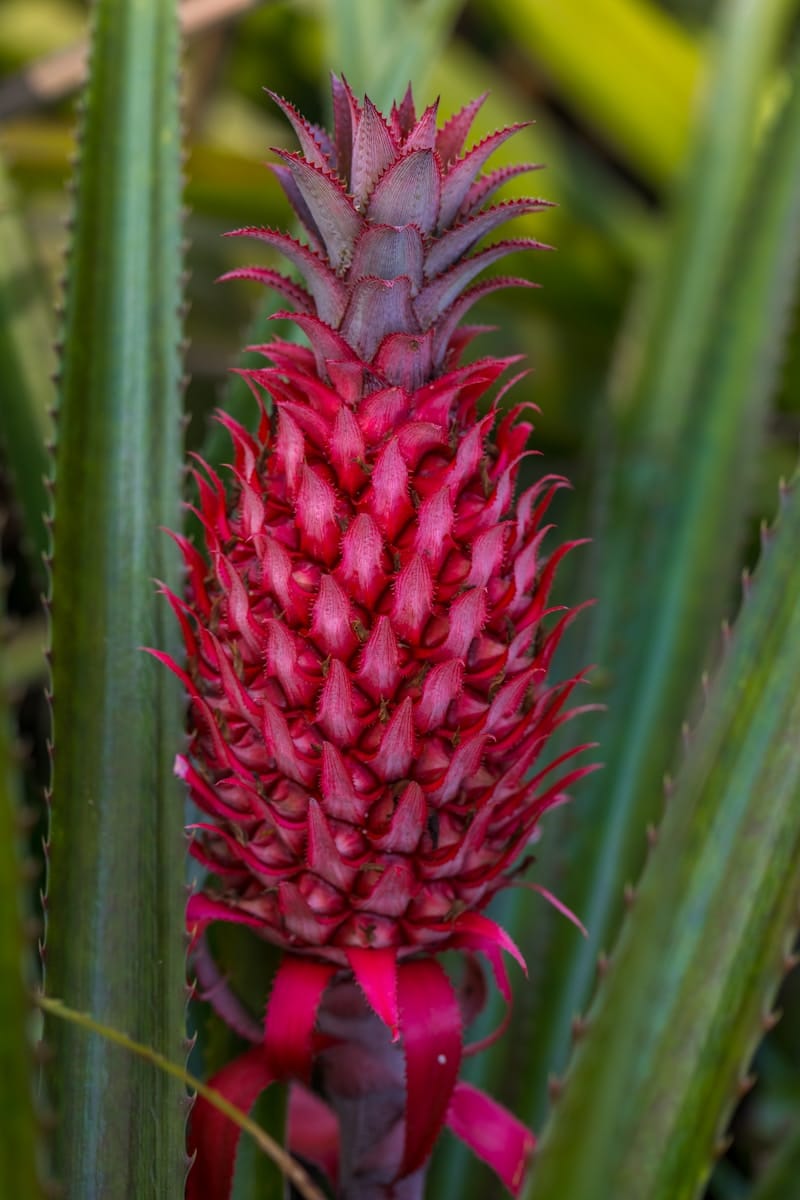
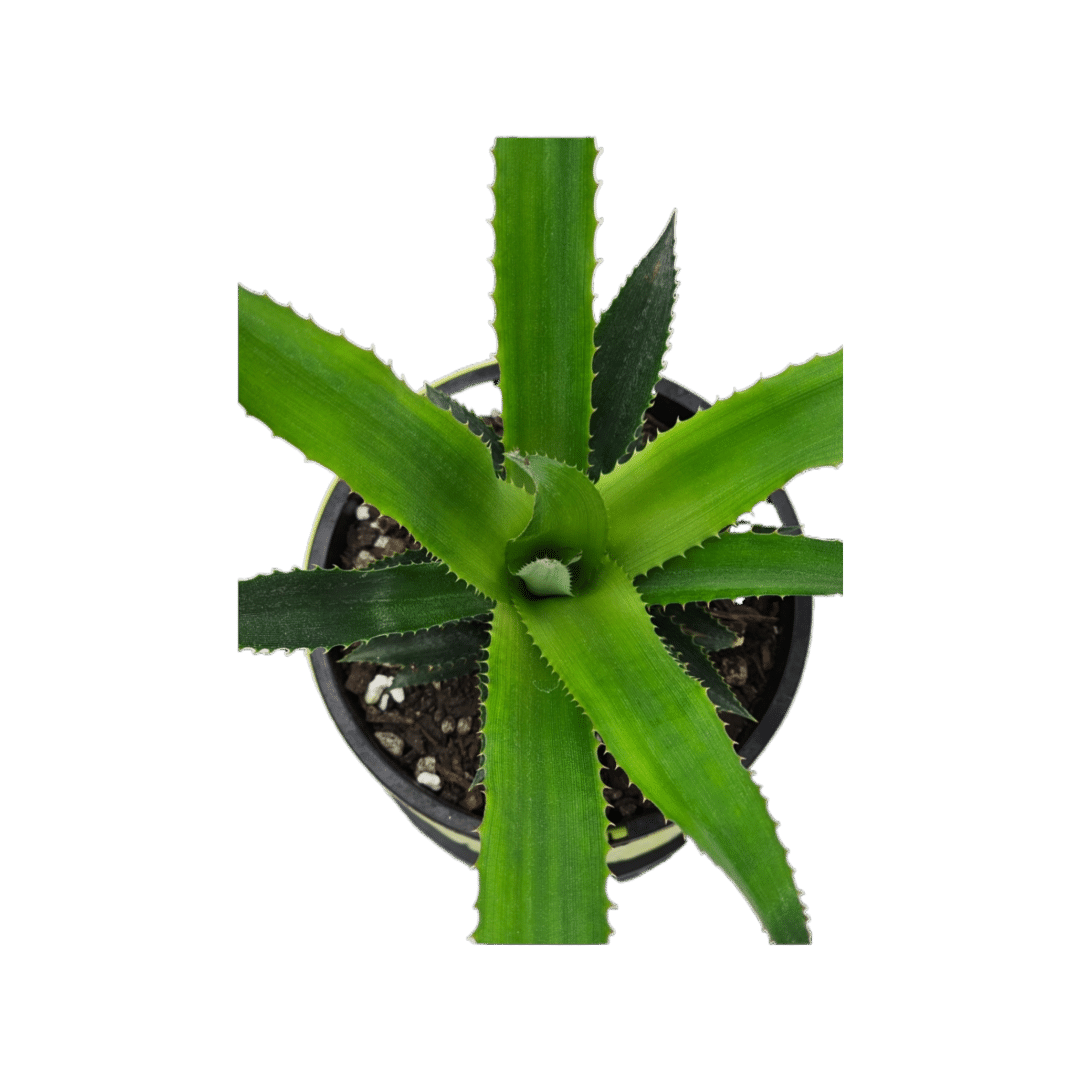
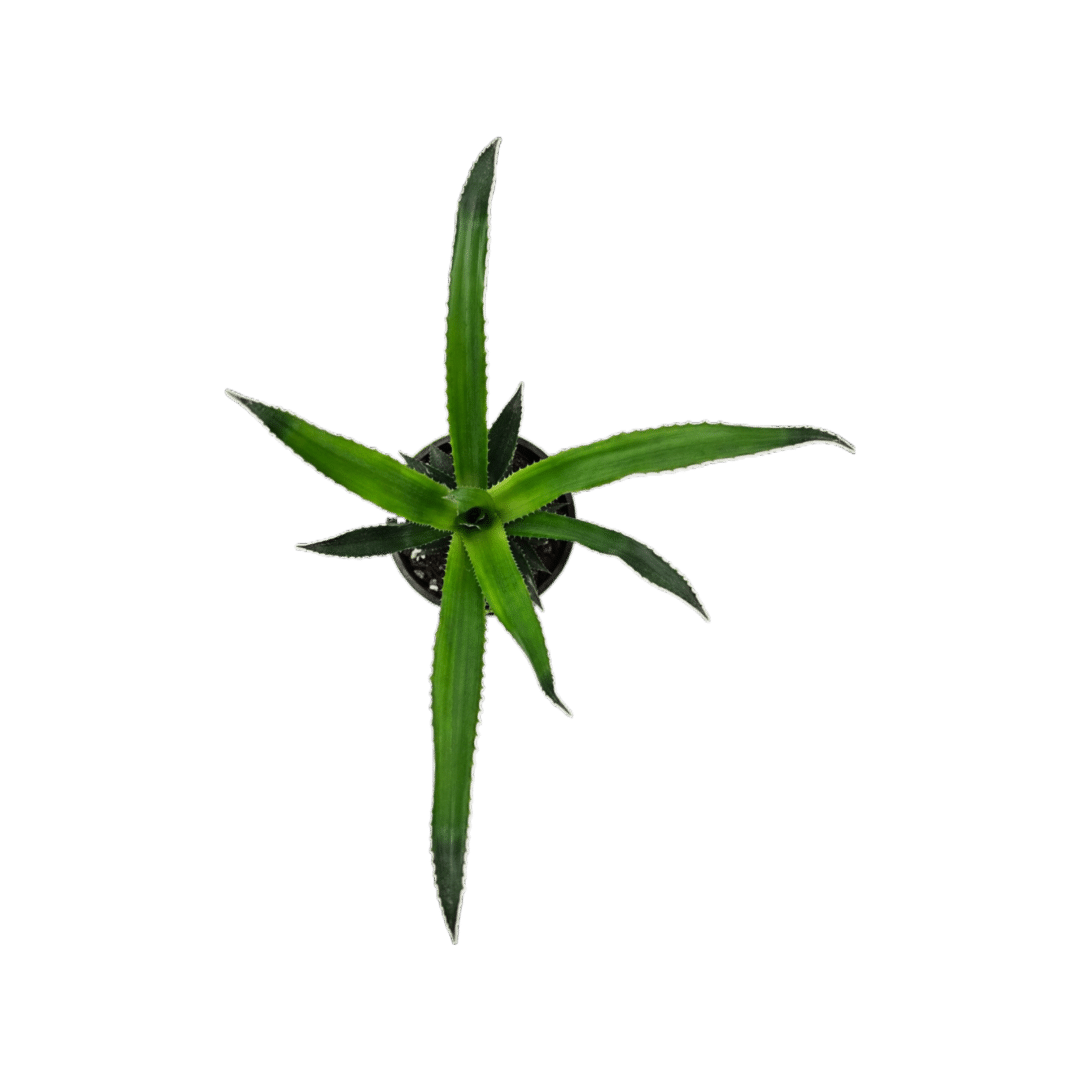
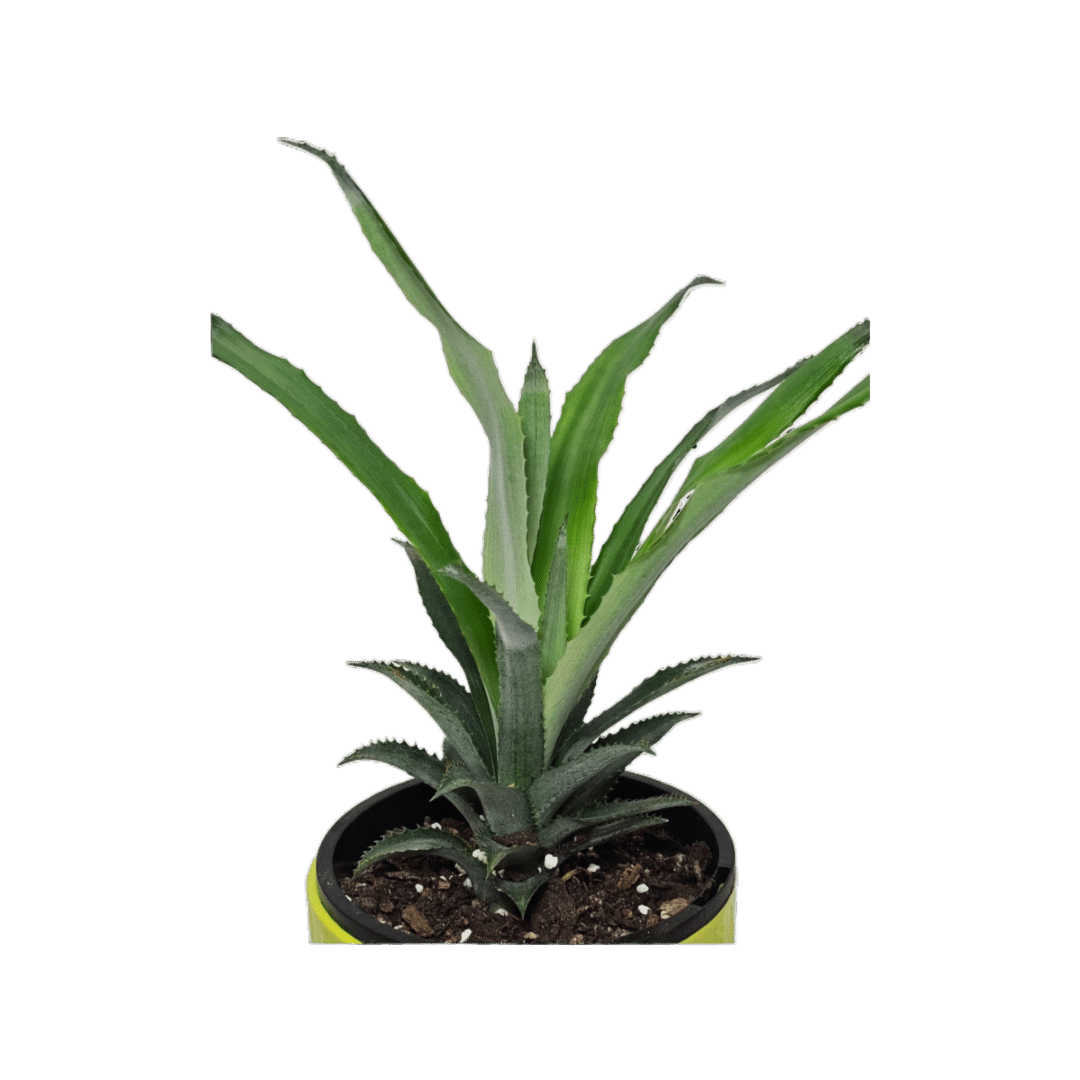
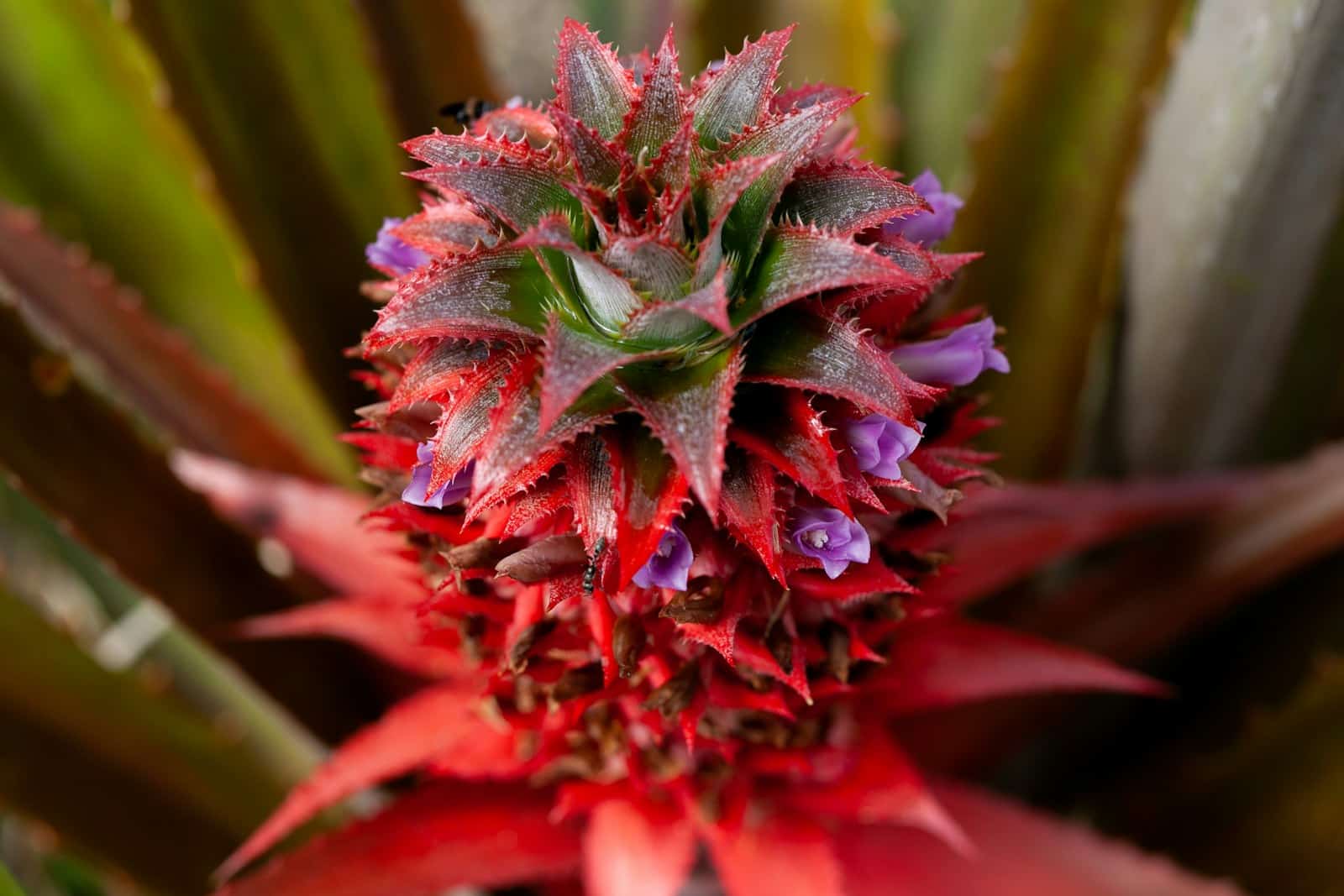
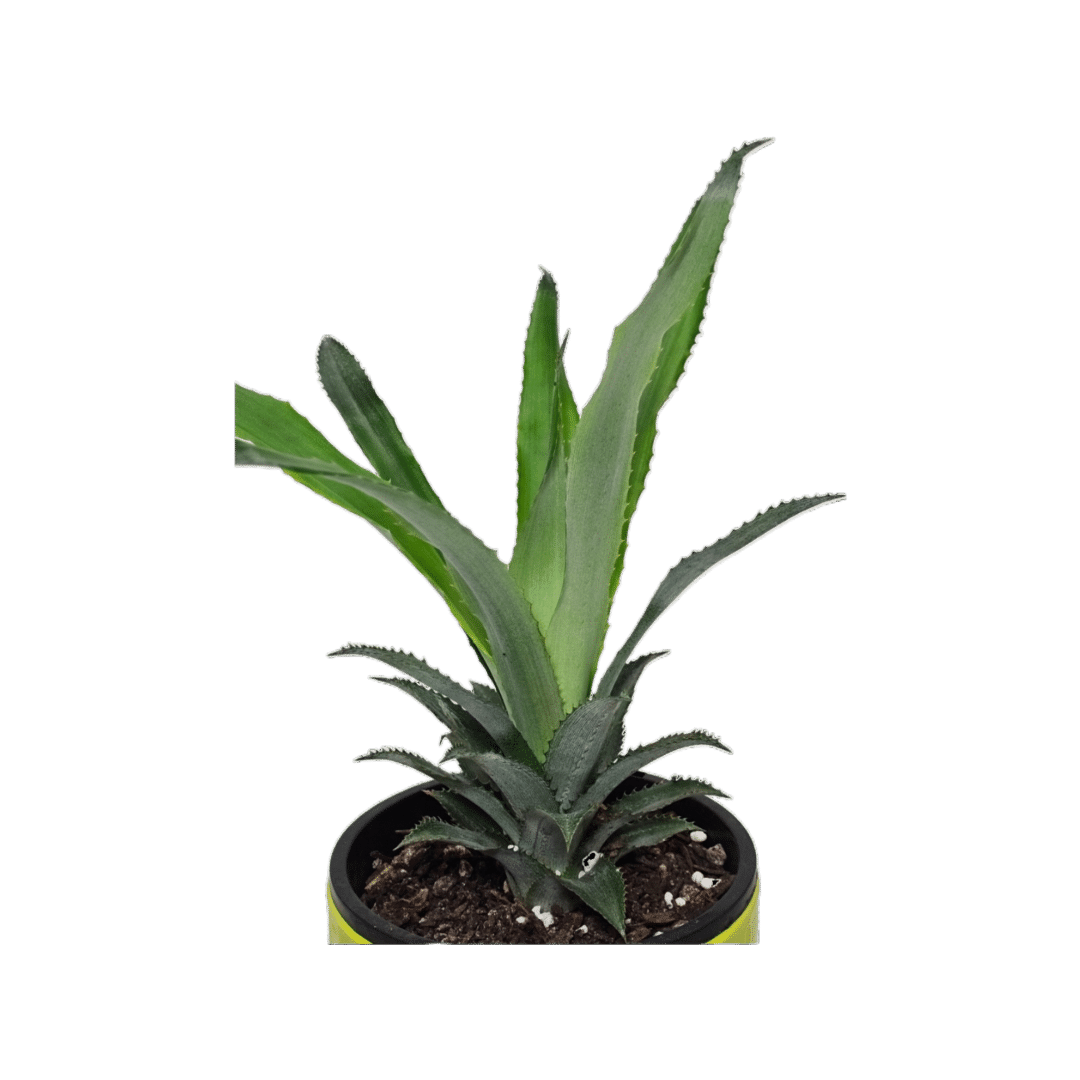
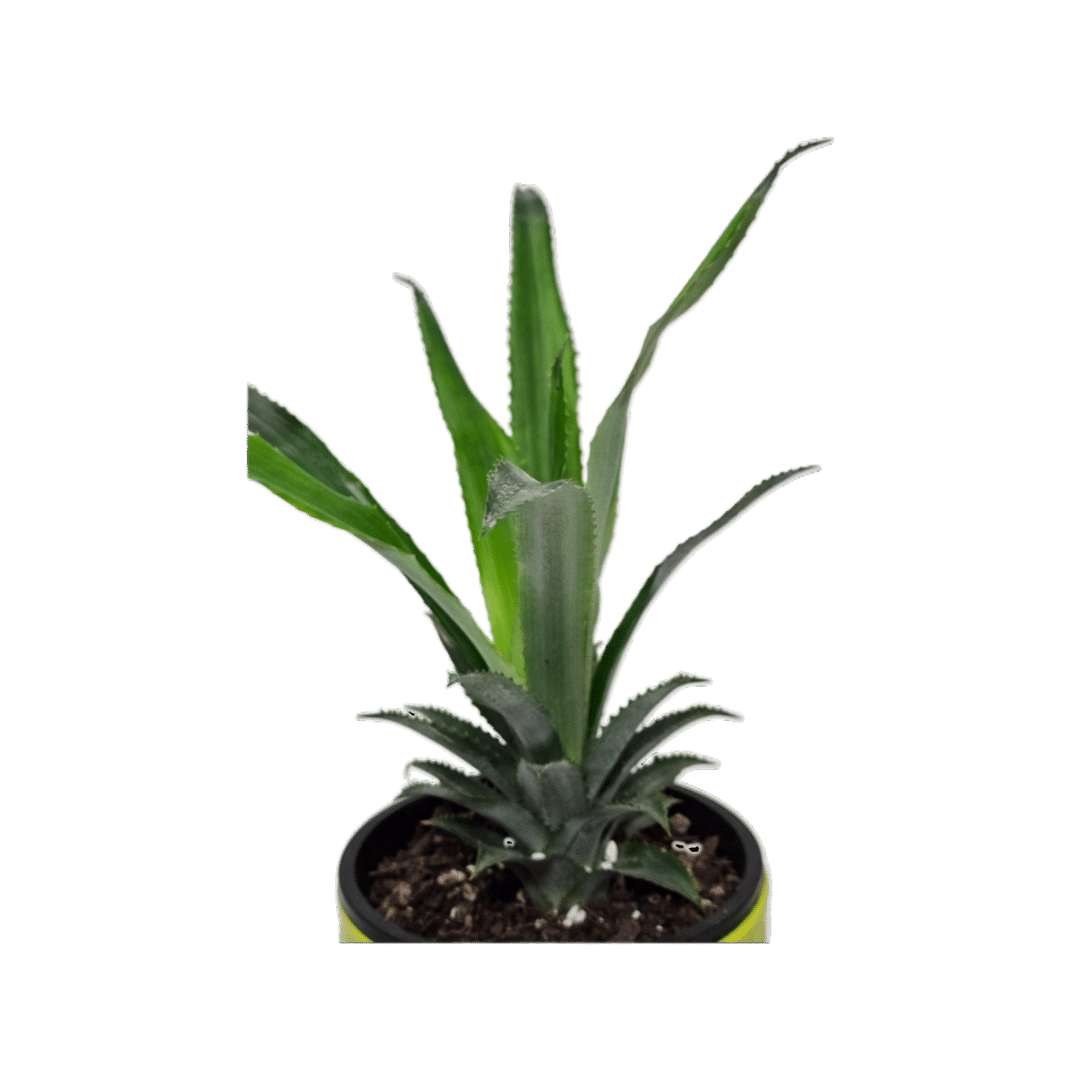
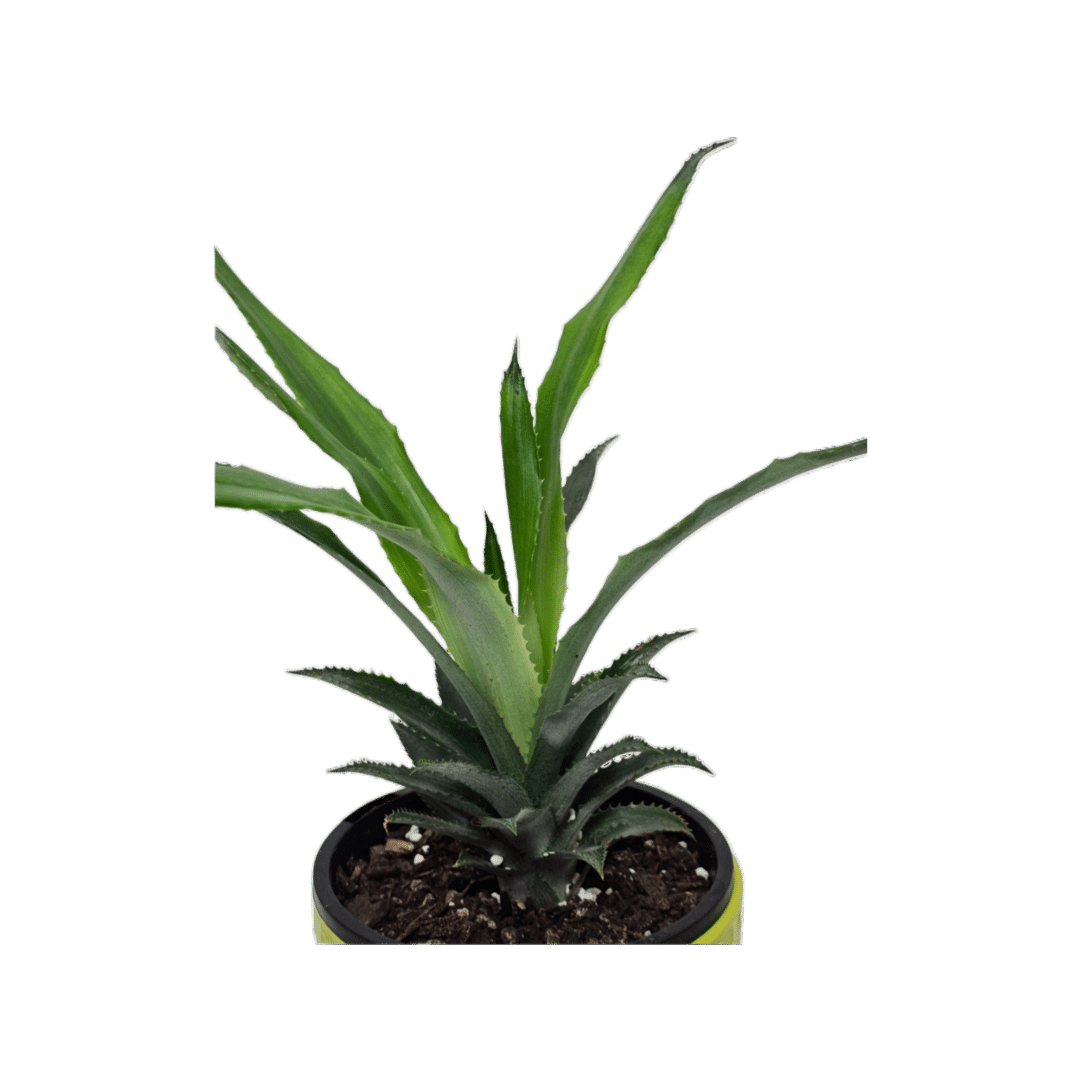
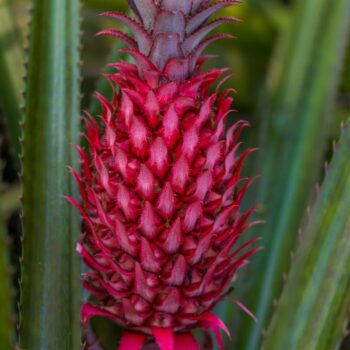
The Red Pineapple (Ananas bracteatus), also known as the Ornamental Pineapple, is a striking and versatile tropical plant that adds a splash of vibrant color to any garden or indoor space. Known for its stunning red-hued fruit and attractive foliage, this plant is both ornamental and functional.
Key Features
- Striking Appearance: The Red Pineapple is renowned for its eye-catching red fruit, which is smaller but more colorful than the common pineapple. Its bright, reddish-pink bracts and green foliage make it a standout in any setting.
- Versatile Use: This plant can be grown both outdoors in tropical and subtropical climates and indoors as a potted plant in cooler regions.
- Easy to Grow: The Red Pineapple is a low-maintenance plant that thrives in well-drained soil and requires minimal watering once established. It’s also resistant to many common pests and diseases.
- Edible and Ornamental: While primarily grown for its ornamental value, the fruit of the Red Pineapple is edible and can be enjoyed fresh, though it is often more tart than commercial pineapples.
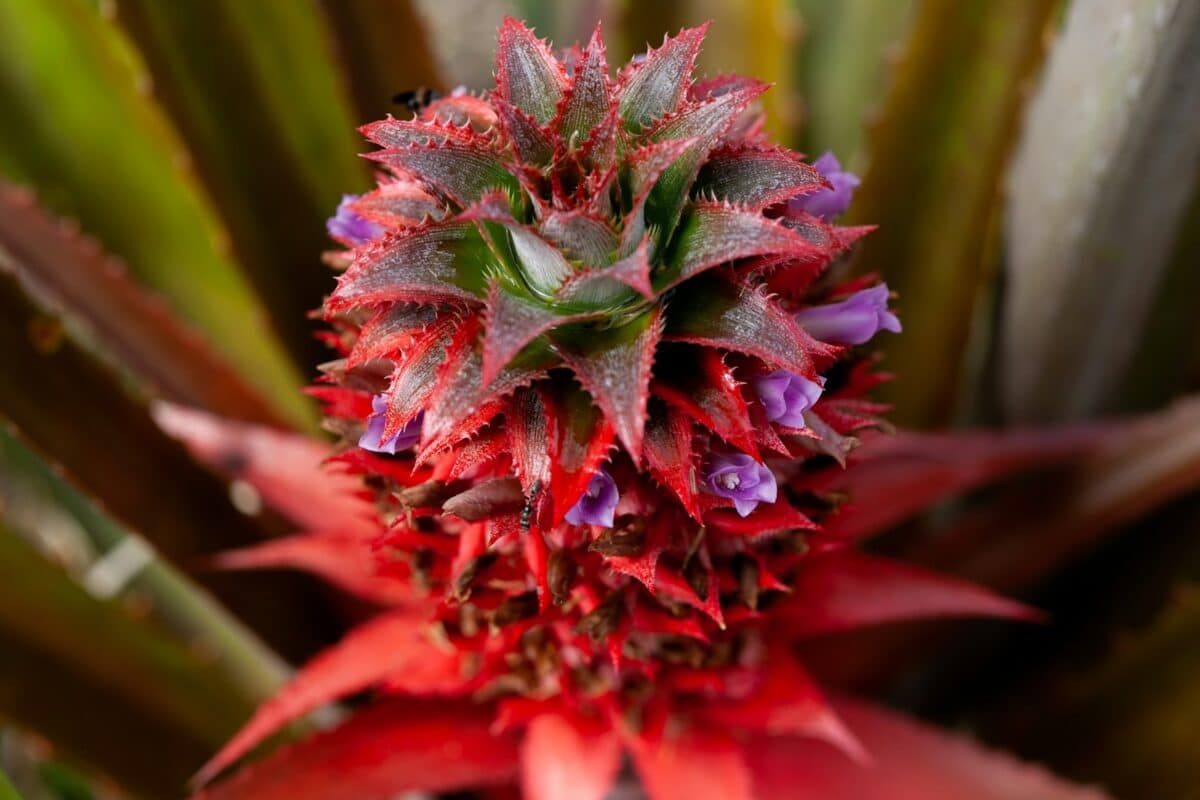
Photo by PROJETO CAFÉ GATO-MOURISCO on Unsplash
Out of stock
Planting and Care
- Light: Prefers full sun to partial shade. When grown indoors, place near a bright window where it can receive ample sunlight.
- Water: Water thoroughly but allow the soil to dry out between watering. Reduce watering in the winter months.
- Soil: Requires well-drained soil. A cactus or succulent mix can be ideal for potted plants.
- Temperature: Thrives in temperatures between 20°C to 30°C. Protect from frost and extreme cold.
- Fertilizer: Feed with a balanced liquid fertilizer every 4-6 weeks during the growing season (spring and summer).
Benefits
- Decorative Appeal: Adds a tropical touch to gardens, patios, and indoor spaces with its vibrant colors and unique appearance.
- Air Purification: Like other bromeliads, the Red Pineapple can help purify the air when grown indoors.
- Educational Value: Great for teaching children and gardening enthusiasts about tropical plants and their care.
Customer Reviews
Jane D. – “The Red Pineapple has been a fantastic addition to my garden. It’s incredibly easy to care for and the red fruit adds such a unique touch. Highly recommend!”
Mark T. – “I’ve grown this indoors and it’s thriving. It’s a beautiful plant that really stands out. The fruit is a fun bonus!”
Enhance your garden or indoor space with the vibrant and unique Red Pineapple. Order today and enjoy the beauty and charm of this tropical wonder!
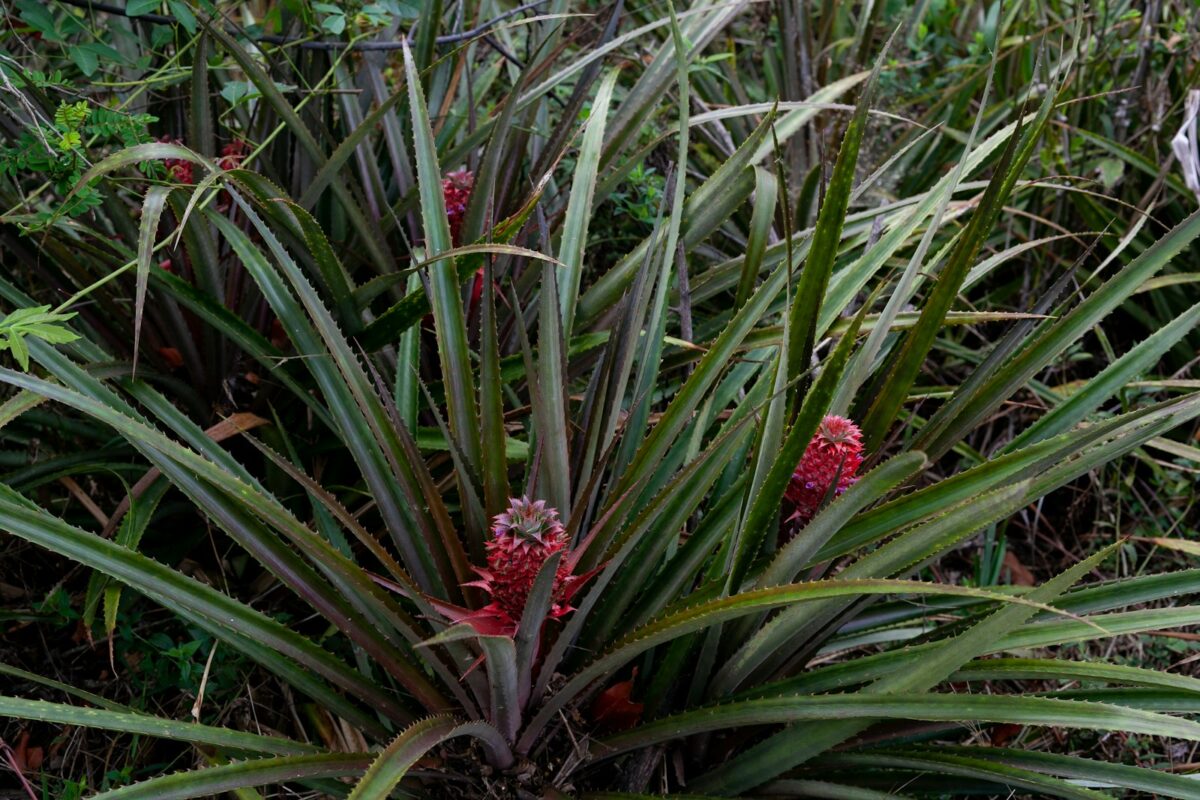
Photo by PROJETO CAFÉ GATO-MOURISCO on Unsplash
History of The Red Pineapple (Ananas bracteatus)
The Red Pineapple (Ananas bracteatus), also known as the Ornamental Pineapple, is a fascinating plant with a rich history that spans several centuries and continents. Its unique appearance and versatility have made it a popular choice for both ornamental and practical uses.
Origins
The Red Pineapple is native to South America, particularly the regions of Brazil, Paraguay, and Argentina. It belongs to the Bromeliaceae family, which includes other well-known tropical plants. Indigenous peoples in these regions have long utilized the plant for its edible fruit and medicinal properties.
Introduction to Europe
The journey of the Red Pineapple to Europe began in the 16th century, during the Age of Exploration. European explorers, including the Spanish and Portuguese, encountered the pineapple in their travels to the New World and were captivated by its exotic appearance and unique taste. They brought the plant back to Europe, where it quickly became a symbol of luxury and hospitality.
Cultivation and Spread
Initially, the cultivation of pineapples, including the Red Pineapple, was limited to wealthy estates and botanical gardens in Europe due to the plant’s tropical requirements. However, advances in greenhouse technology in the 17th and 18th centuries allowed for more widespread cultivation. The Red Pineapple’s vibrant color and striking appearance made it a popular choice for ornamental gardens and conservatories.
Symbolism and Cultural Significance
Throughout history, the pineapple has been a symbol of hospitality, wealth, and status. In colonial America, the fruit was often used as a centerpiece for banquets and gatherings, signifying a warm welcome to guests. The Red Pineapple, with its unique red-hued fruit, further enhanced this symbolism and became a cherished plant in ornamental horticulture.
Modern Use and Popularity
Today, the Red Pineapple is grown worldwide, both for its ornamental value and its edible fruit. It is a popular choice for home gardens, patios, and indoor spaces, thanks to its low maintenance requirements and striking appearance. The plant’s ability to purify the air and add a tropical touch to any setting has further cemented its place in modern horticulture.
Scientific Studies and Conservation
In recent years, scientific studies have explored the Red Pineapple’s potential benefits, including its antioxidant properties and use in traditional medicine. Conservation efforts are also underway to protect the plant’s native habitats in South America, ensuring that this unique and valuable species continues to thrive in the wild.
Conclusion
The Red Pineapple (Ananas bracteatus) has a rich and storied history that reflects its journey from the tropical regions of South America to gardens and homes around the world. Its enduring popularity as both an ornamental and edible plant is a testament to its unique beauty and versatility. Whether grown for its striking appearance or enjoyed for its fruit, the Red Pineapple remains a beloved addition to the plant kingdom.
Only logged in customers who have purchased this product may leave a review.
Related products
Mickey Mouse Plant – Xanthosoma atrovirens ‘Albomarginata’ 2L pot
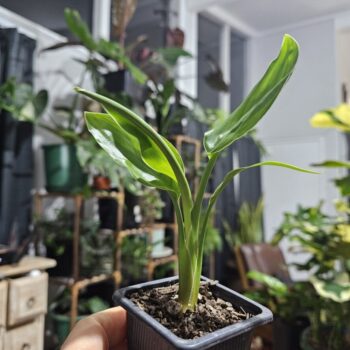
Bring Paradise Home: Strelitzia reginae Seedlings for Sale!
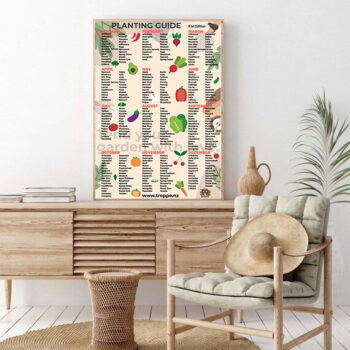
Printable Planting Guide Poster – Kiwi Edition (Digital Download)
This planting guide is tailored specifically for New Zealand, with a focus on the North Island’s warmer climate. It should serve as a useful general reference for most regions in the country. If you reside in an area with a particularly cool climate, we recommend conducting additional research to ensure optimal planting results.
Important: This is a digital download poster. You will receive a PDF file for download, NOT a physical poster. You can print your poster at a local stationery store or similar. Frame not included.
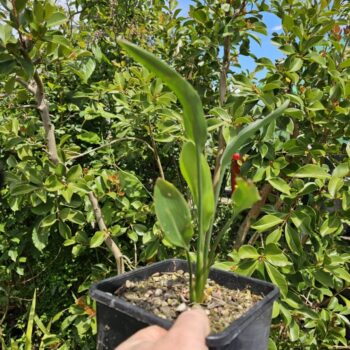
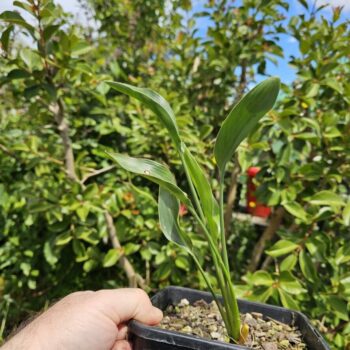
RARE Strelitzia parvifolia var. juncea – Reed or Leafless Bird of Paradise
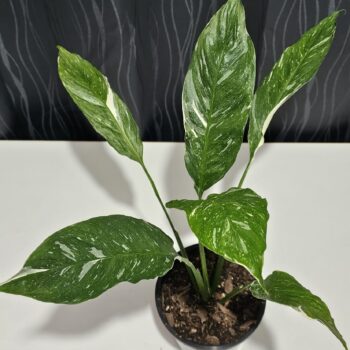
Spathiphyllum ‘Domino’ Variegated Peace Lilly
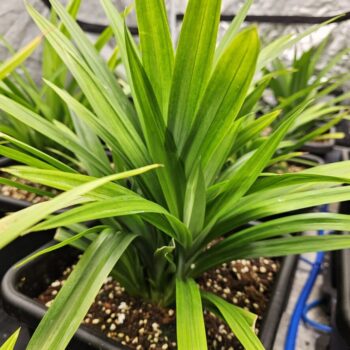
Pandan aka Pandanus amaryllifolius – large 15l autopot (freight included)
You get one of these pandan plants in a 15l Autopot in cococoir and perlite with minimum 5 pandan growth points. That is a potential of 5(+) plants
Uses of Pandan
Pandan is prized not only for its fragrance but also for its versatility. Here are some popular uses:
- Culinary Uses:
- Flavoring: Pandan leaves are often used to flavor rice (like in Nasi Lemak), desserts (such as Pandan cake and jelly), and beverages. They impart a unique, subtle flavor that’s hard to replicate.
- Natural Coloring: The bright green pigment of Pandan can be extracted and used as a natural food coloring for cakes, pastries, and other desserts.
- Wrapping Food: Similar to banana leaves, Pandan leaves can be used to wrap food before steaming or grilling, infusing a mild, aromatic flavor into the dish.
- Medicinal Uses:
- Traditionally, Pandan has been used in folk medicine for its potential health benefits, such as reducing fever, easing arthritis pain, and relieving headaches.
- Craft and Household Uses:
- In some cultures, Pandan leaves are woven into mats, baskets, and even used as natural air fresheners due to their pleasant scent.

Reviews
Clear filtersThere are no reviews yet.