

Blog
Skeletonized Leaves: Foraging in the NZ Garden
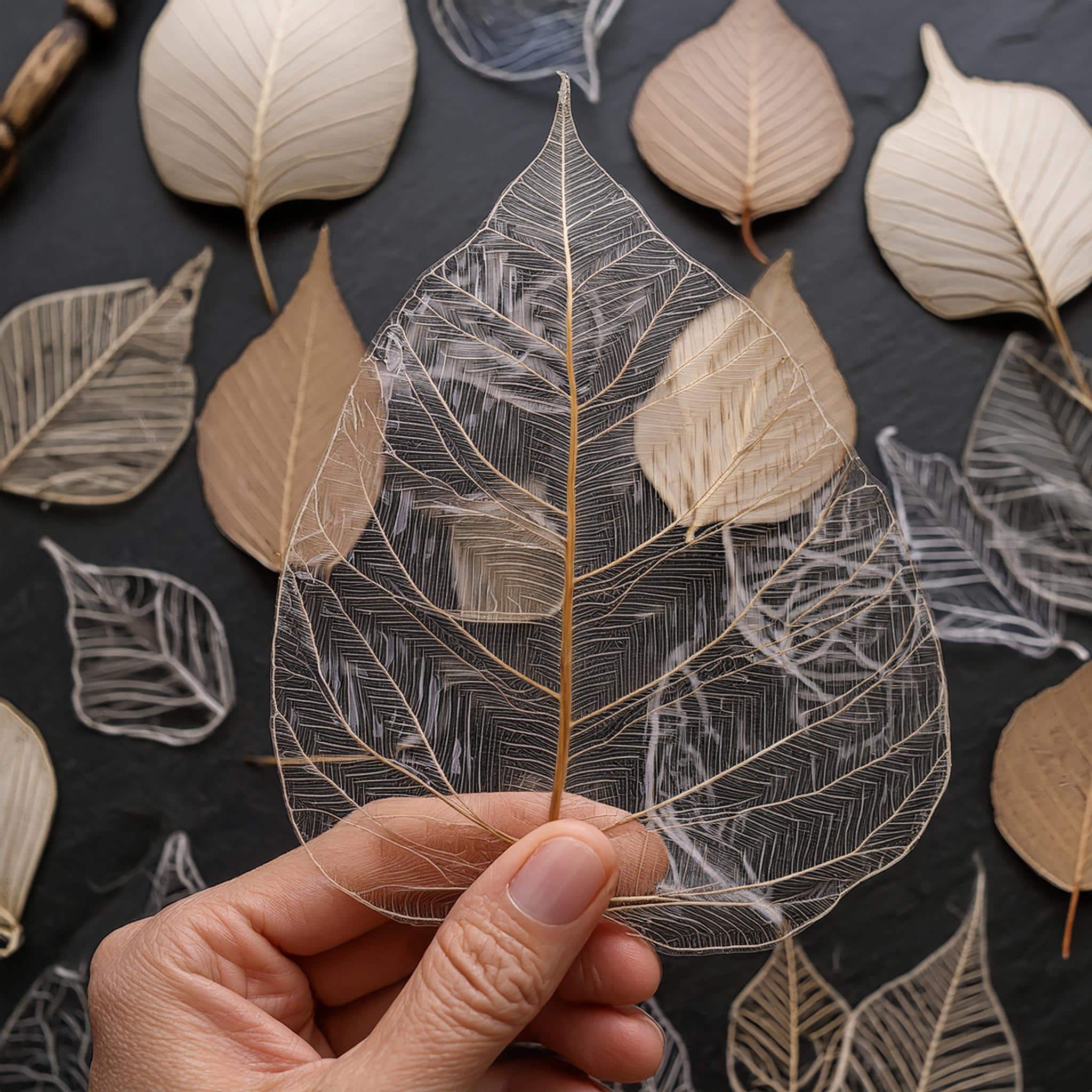
Skeletonized leaves — delicate lace-like leaf remnants left by insects or decay — make beautiful craft and nature-study materials. This guide covers ethical foraging in New Zealand gardens.
For garden wildlife, explore our NZ garden bird guides and join the Garden Bird Survey.
What are Skeletonized Leaves?
Skeletonized leaves are leaves that have had their softer tissues decomposed or eaten away, leaving behind the intricate network of veins. This natural process can occur due to fungal activity, bacteria, or insects. The result is a beautifully fragile and translucent leaf that showcases nature’s intricate design.
Where to Find Skeletonized Leaves
- Woodlands and Forests: Deciduous forests are prime spots for finding skeletonized leaves, especially during autumn when leaves are decomposing on the forest floor.
- Gardens and Parks: Check under shrubs and trees where leaves accumulate and decompose. Public parks and botanical gardens can also be good places to look.
- Rivers and Streams: Areas near water bodies can have an abundance of leaves in various stages of decomposition. Look along the banks and in shallow water.
- Backyards: Your own backyard might be hiding some beautiful skeletonized leaves, especially if you have a variety of trees and shrubs.
Tips for Foraging
- Timing: The best time to forage for skeletonized leaves is during autumn and early winter when leaves have fallen and are decomposing. ️
- Tools: Bring a small brush or soft cloth to gently clean off any dirt or debris from the leaves you find. A basket or a flat container is ideal for carrying your delicate finds.
- Be Gentle: Skeletonized leaves are fragile, so handle them with care to avoid breaking them.
- Respect Nature: Only take what you need and avoid disturbing the natural habitat. Leave some leaves behind for the ecosystem.
Using Skeletonized Leaves in Crafts and Decor ️
Once you’ve collected your skeletonized leaves, there are many creative ways to use them:
- Framed Art: Display the delicate beauty of skeletonized leaves by framing them in shadow boxes or glass frames. ️
- Bookmarks: Preserve the intricate patterns by laminating them and turning them into unique bookmarks.
- Greeting Cards: Add a natural touch to homemade cards by gluing skeletonized leaves onto the front. ️️
- Ornaments: Create holiday ornaments by coating the leaves in a thin layer of resin or glue and adding a string for hanging.
- Pressed Leaf Art: Press the leaves in a book to flatten them and use them in scrapbooking or other paper crafts.
Conclusion
Foraging for skeletonized leaves is a wonderful way to connect with nature and appreciate its intricate beauty. Whether you use them for art, decor, or simply enjoy the hunt, skeletonized leaves offer a unique glimpse into the delicate balance of the natural world. Happy foraging!
Garden birds & biodiversity
- NZ Garden Bird Survey — count birds in your garden (annual citizen science)
- All NZ garden bird guides
- Food forests — layered planting for bird habitat and food
- Grower tools — planting calendars and ecosystem planning
7 thoughts on “Skeletonized Leaves: Foraging in the NZ Garden”
Comments are closed.
I didn’t know leaves could look like that. Thanks for the info.
I never thought of collecting leaves for crafts. Good to know!
This seems like a nice way to spend time outdoors.
Interesting idea. I might try looking for these leaves in my backyard.
Cool idea to use skeletonized leaves for bookmarks and greeting cards. Great for craft projects!
I didn’t know you can find skeletonized leaves in woodlands and parks. Nice tips!
Helpful tips for foraging, like bringing tools and being gentle. Good reminder to respect nature too.